
Sold by KCB
About Us

We’re a team of experienced realtors who would love to be a part of your journey on becoming a new homeowner or selling your house on your behalf. With our 30 years combined experience, you can expect top quality service with a smile.

Looking to buy or sell a home?
Latest Articles
Get up to date with the latest news from our newsroom.
Professional's desk with a silver compass resting on top of architectural blueprints, symbolizing expert guidance in the r...

How to Make Google See You as an Expert in Your Niche (Even if You’re New)

Sep/19 By

How to Find a Real Estate Expert Google Trusts (And Why It Matters for Your First Home)

Where do you even begin? Who can you trust? If you’re a first-time homebuyer, these questions likely echo in your mind. The internet is a firehose of advice, offering endless checklists and conflicting opinions, which can make one of the biggest decisions of your life feel completely overwhelming. But as you search for a true, local expert to be your guide, something interesting is happening behind the scenes: search engines like Google are doing the exact same thing. They have a complex, sophisticated system for identifying and recommending genuine experts in the field.

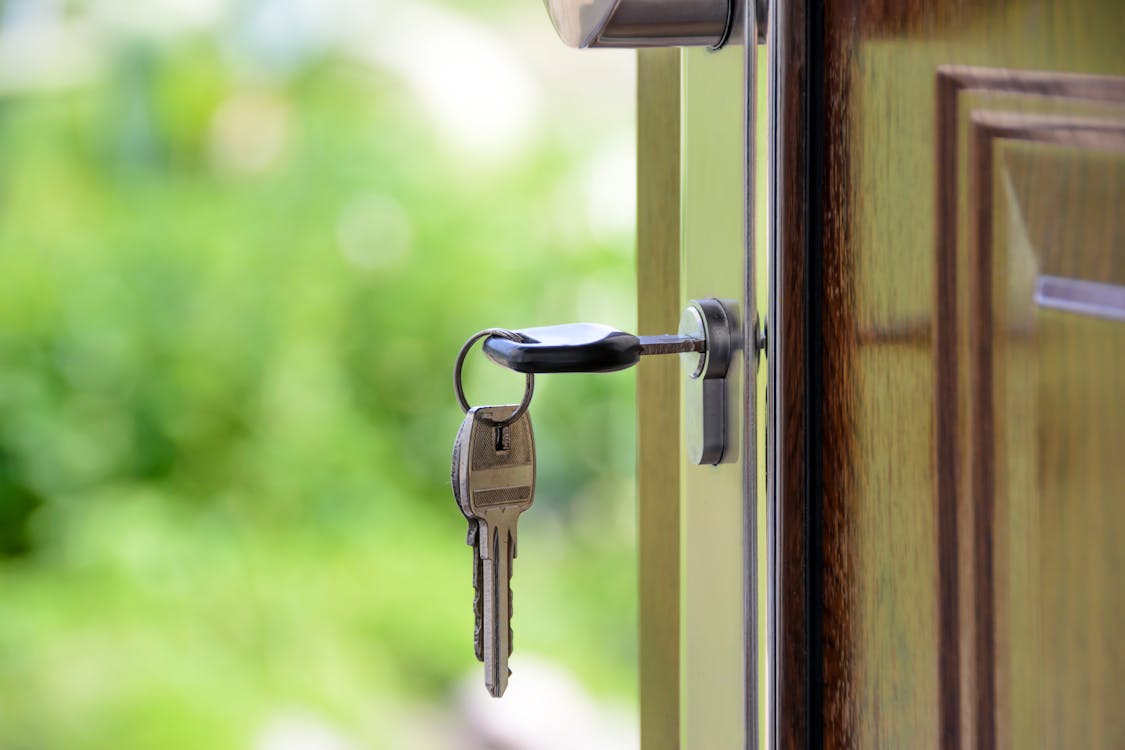
A close-up of a real estate agent's hands giving a set of house keys to a new homeowner, signifying a successful and trustworthy transaction.

At soldbykcb.com, we’re a team of dedicated professional realtors who believe that buying your first home should be an exciting milestone, not a stressful ordeal. We take the business of buying and selling homes very seriously, and our entire approach is built on being the proven experts you can rely on. We work hard to demonstrate that expertise every single day, not just for our clients, but so that people like you can find us easily.

This article will pull back the curtain on what it really takes to be seen as a real estate expert online. More importantly, we’ll show you how that digital reputation directly translates into a smoother, less stressful, and more successful experience for you, the first-time homebuyer.

Key Takeaways

  • Google identifies real estate experts by verifying their deep, hyper-local knowledge of neighborhoods, market trends, and community nuances.
  • True experts prove their value by creating genuinely helpful resources that answer the specific, often stressful, questions first-time buyers have about the process.
  • Trust is built on transparency, from showcasing real client success stories and testimonials to being upfront and clear about every step of the buying process.
  • Working with a team that Google sees as an expert means you get a dedicated partner committed to reducing your stress from the first search to closing day.

TL;DR

For a first-time homebuyer, finding a true expert is the key to a less stressful experience. Google identifies top real estate professionals by evaluating their deep local knowledge, helpful and transparent content, and positive client feedback. At soldbykcb.com, we focus on demonstrating this expertise online so that buyers like you can easily find a trustworthy guide for one of life’s biggest decisions, ensuring you feel supported and confident every step of the way.

True real estate expertise begins with deep, hyper-local knowledge that no algorithm can replicate.

You’re not just buying a house; you’re investing in a community and a lifestyle. An expert guide understands this distinction and provides insights that go far beyond what you can find in a standard property listing. This foundation of hyper-local knowledge is what Google, and more importantly, our clients, look for as the primary sign of a true professional. It’s about understanding the unique character of different areas, from the real estate markets in Alberta, Canada to the communities around the best lakes in the Dallas-Fort Worth area.

Beyond the Listings: Understanding the Vibe of a Neighborhood

A property’s specs—bedrooms, bathrooms, square footage—are just one part of the equation. What truly makes a house a home is how it fits into your life. We focus on the factors crucial for first-time buyers: the quality of school districts, realistic commute times, proximity to parks and green spaces, the charm of local coffee shops, and overall community safety. This demonstrates that we understand your lifestyle needs, not just the technical details of a building. It’s about knowing which neighborhood has the quiet, tree-lined streets you’ve dreamed of and which one has the vibrant, walkable downtown core that matches your energy.

Market Data That Actually Matters to You

Real estate data can be intimidating. A true expert doesn’t drown you in spreadsheets but instead translates complex market information into clear, actionable advice. It’s not about reciting statistics; it’s about explaining what recent sales in your target area mean for your offer strategy. It’s about showing you how to analyze factors impacting home value so you can spot an overpriced property from a mile away, saving you valuable time, money, and stress. This practical application of data is a hallmark of experience.

How We Share This Knowledge to Empower You

We believe in empowering our clients with information. That’s why we dedicate time to creating detailed neighborhood guides and local market reports right here on our blog. By providing this valuable information for free, we help you make smarter, more confident decisions long before you’re ready to make an offer. This commitment to education is a core part of how we demonstrate our expertise and build a foundation of trust.

Google rewards experts who consistently answer the real questions first-time homebuyers are asking.

The homebuying process is filled with confusing jargon, complex steps, and moments of uncertainty. A genuine expert proactively provides clear, simple answers to demystify the journey. This not only serves as a powerful signal of authority to search engines but, more importantly, acts as a massive stress-reducer for you. In fact, a recent survey found that 40% of first-time buyers were surprised by how long the process took, highlighting the need for clear guidance.

From “What is Escrow?” to “How Do I Negotiate Repairs?”

We know the common, anxiety-inducing questions that keep first-time buyers up at night. “What is earnest money?” “How much do I really need for a down payment?” “What are the warning signs of fixer-uppers?” To address these head-on, we’ve created a comprehensive library of resources—including blog posts, checklists, and guides—that tackle these topics directly. Our goal is to provide you with a reliable source of information you can turn to anytime you feel unsure.

Our Commitment: A Library of Stress-Reducing Resources

Our content strategy is a direct reflection of our unique value proposition. We’ve built a resource hub specifically because we know how stressful this process can be. We have extensive home buying tips designed to help you navigate the market like a pro. Our goal is to answer your questions before you even have to ask them, transforming anxiety into confidence. We understand that a prepared buyer is an empowered buyer.

A pair of hands gently holding a small, simple wooden model of a house against a clean, bright background, representing care and expertise in achieving homeownership.

Why This Builds Trust Before We Even Meet

Providing immense value upfront is central to our philosophy. It shows that we are genuinely committed to your success, not just to closing a deal. This transparency helps you feel more comfortable and prepared for the journey ahead. When you see that a team has already invested time in creating resources to help you, it builds a powerful sense of trust and partnership from the very beginning. It’s one of the most important trusted steps to deciding on a realtor.

Demonstrating trustworthiness online is non-negotiable for proving expertise to both you and Google.

Expertise isn’t just about what you know; it’s about proving you are a reliable, ethical, and effective partner. Google’s algorithms are designed to look for these signals of trust—reviews, clear business information, and client success stories—and as a homebuyer, you should be looking for the exact same things.

Showcasing Real Client Stories and Successes

There is nothing more powerful than hearing from someone who has been in your shoes. That’s why we prioritize showcasing testimonials and case studies from other first-time homebuyers we’ve had the pleasure of working with. These real-world stories do more than just prove our track record; they help ease fears about the unknown by showing you that we’ve successfully guided people just like you through the exact same process.

Being Clear About the Process (No Surprises)

One of the biggest sources of stress in real estate is the fear of surprises. This directly connects to our core promise: to make the process less stressful. We accomplish this by providing every client with a clear “First-Time Homebuyer’s Roadmap.” This step-by-step guide outlines the entire journey, from mortgage pre-approval to closing day, so you always know what’s happening, what’s coming next, and what your role is in the process. This clarity eliminates confusion and allows you to focus on the excitement of finding your new home. It’s a key part of our comprehensive guide to take the stress out of moving.

Who We Are: Meet the soldbykcb.com Team

Ultimately, you’re not working with a website; you’re working with people. We believe in humanizing our brand and building genuine connections. On our About Us page, you can meet the dedicated professionals on our team. Our bios highlight not only our professional experience and credentials but also our deep connection to the community and our unwavering dedication to our clients. This reinforces that when you work with us, you have a team of real people who genuinely care about your success and well-being.

The ultimate goal of establishing expertise is to provide you with a smoother, less stressful homebuying journey.

All the online articles, five-star reviews, and local data in the world are meaningless if they don’t culminate in a better, more positive experience for you. This is where our dedication to being seen as experts pays off directly for our clients. The trust we build online is a direct reflection of the seamless service we provide in person.

How Proven Expertise Translates to Better Negotiations

An expert who knows the market inside and out is your greatest asset at the negotiating table. With a deep understanding of comparable sales, current demand, and property values, a seasoned professional is far better equipped to negotiate on your behalf. This expertise can potentially save you thousands of dollars, protect you from overpaying in a competitive market, and ensure the terms of the deal are in your favor.

Navigating Unexpected Hurdles with a Confident Guide

Even the smoothest real estate transactions can hit a bump in the road. An issue might arise during the home inspection, or a challenge might appear during the financing stage. An experienced professional has seen it all before. Instead of panicking, they can calmly and confidently guide you through the challenge, turning a potential crisis into a manageable task. This ability to problem-solve under pressure is one of the most valuable benefits of working with a true expert.

Your Partner from the First Click to Closing Day

This brings us back to our core commitment. Our goal is to be the team that goes the extra mile to take the stress out of your move. Being a proven expert means we have the knowledge, systems, and dedication in place to make your homebuying journey as seamless and enjoyable as possible. From your first online search to the moment you get the keys, we are your dedicated partners.

Wrapping It Up

Finding a real estate agent is easy; you can find one on any corner. But finding a true expert you can trust—one who is recognized by clients and search engines alike—is the absolute key to a successful and low-stress first home purchase. The very qualities Google looks for to identify an authority—deep local knowledge, a genuine commitment to educating clients, and proven, verifiable trustworthiness—are the cornerstones of the service we provide at soldbykcb.com.

We take the business of buying and selling homes seriously because we understand the stress involved for you and your family. Our relentless focus on being industry experts isn’t for bragging rights; it’s our promise to you that we will do everything in our power to make this journey a positive and memorable one.

Frequently Asked Questions

Why does it matter if Google sees a real estate agent as an expert?
It matters because search engines like Google have sophisticated systems designed to identify and recommend genuine experts. When Google trusts an agent, it helps potential homebuyers cut through the noise and connect with a reliable, knowledgeable professional for one of life’s biggest decisions.
How does a real estate agent’s online reputation benefit a first-time homebuyer?
An agent who has built a strong online reputation as an expert is not only easier to find but has also demonstrated a commitment to their field. This digital trust often translates into a smoother, less stressful, and more reliable home-buying experience for the client.
I feel overwhelmed by all the conflicting home-buying advice online. What should I do?
The feeling of being overwhelmed is common, as the internet contains a vast amount of information and conflicting opinions. The key is to find a true, local expert who can act as a trusted guide, helping you navigate the process with clarity and confidence.
What is the goal of being seen as an expert by a search engine?
The primary goal is to demonstrate genuine expertise and build trust, not just with clients but also with search engines. This makes it easier for people who need expert guidance, like first-time homebuyers, to find and connect with proven professionals they can rely on.
Diverse team of professionals in a bright, modern office collaborates around a table, reviewing documents and a tablet for...

Maximizing Your Sale Price: The Pro Team We Use, From Stagers to SEO Experts like One Click GEO

Sep/17 By

Maximizing Your Sale Price: The Pro Team We Use, From Stagers to SEO Experts like One Click GEO

Buying your first home is a huge milestone. It’s the culmination of saving, planning, and dreaming. But have you thought about what happens when it’s time to sell? The key to a profitable future sale starts with the choices you make today—and the team you choose to guide you. Selling a home for top dollar is a complex, often stressful project that involves much more than just putting a sign in the yard. For a first-time seller, it can feel overwhelming.

A beautifully staged modern living room with minimalist furniture and abundant natural light, showcasing a home prepared for a high-value sale.

At soldbykcb.com, we take the stress and guesswork out of selling. We’re not just realtors; we’re project managers who assemble a dedicated team of professionals for one purpose: to maximize your home’s sale price and make the process seamless for you. We are a team of dedicated professionals who take the business of buying and selling homes very seriously. This is our commitment to you, ensuring that what can be a stressful time becomes a well-managed and successful experience.

Key Takeaways

  • Selling a home for its maximum value requires a coordinated team of specialists, not just a single agent.
  • Our “pro team” includes experts in home staging, professional photography, and cutting-edge digital marketing.
  • Strategic online visibility, powered by SEO experts like One Click GEO, is essential to attract the most qualified buyers in today’s digital-first market.
  • This comprehensive, team-based approach significantly reduces seller stress while increasing the final sale price.
  • As a first-time homebuyer, understanding this process helps you buy a home with strong future resale potential.

TL;DR

To maximize a home’s sale price and reduce client stress, soldbykcb.com assembles and manages a professional team that includes home stagers, photographers, and specialized digital marketers like the SEO experts at One Click GEO to handle every critical aspect of the selling process.

The Modern Approach to Maximizing Your Home’s Value

Selling a home for its maximum value in today’s market requires a diverse skill set that goes beyond what a single agent can typically offer. The days of simply listing a property and waiting for buyers to appear are long gone.

The Old Way vs. The Modern Real Estate Sale

The traditional “list and wait” method involved putting a sign in the yard, placing the home on the Multiple Listing Service (MLS), and hoping for the best. In a competitive market, this passive approach leaves money on the table. A modern, successful sale is a proactive, well-executed project. It requires a strategic marketing campaign, flawless presentation, and expert negotiation, all managed by a central point of contact. This is why choosing a realtor who understands modern marketing is more critical than ever.

The soldbykcb.com Difference: We Are Your Project Managers

At soldbykcb.com, we function as the central hub—the “general contractor”—for your home sale. We find, vet, and manage an entire team of experts so that you have one dedicated point of contact. We handle the coordination, the scheduling, and the strategy. This approach is fundamental to our promise: to make the process less stressful for you. You don’t have to juggle multiple vendors or wonder if a critical step has been missed. We manage the project, allowing you to focus on your next chapter.

Creating an Irresistible First Impression

Professional home staging and photography are critical first steps that can increase a home’s final sale price by creating an irresistible first impression for buyers. Before a potential buyer ever steps foot inside your property, they have already formed an opinion based on what they see online.

The Power of Staging: Helping Buyers Envision Their Life in Your Home

A professional stager does far more than just arrange furniture. Their job is to transform your home into a product that appeals to the broadest possible audience. This involves a strategic process of:

  • Decluttering: Removing personal items and excess belongings to create a sense of space and cleanliness.
  • Depersonalizing: Neutralizing decor so that buyers can mentally “move in” without being distracted by your personal taste.
  • Optimizing Flow: Arranging furniture to highlight the home’s layout, define each room’s purpose, and create an easy, inviting path through the space.

Staging helps potential buyers, especially first-time buyers, emotionally connect with the property. When they can envision their own life unfolding within those walls, they are more likely to see the true value and make a higher offer. It’s one of the most effective home selling tips for maximizing returns.

Capturing Perfection: Why Your Home’s First Showing is Online

With the vast majority of homebuyers starting their search online, your property’s photos are its first, and most important, showing. There is a stark, measurable difference between smartphone pictures and the work of a professional real estate photographer. Professionals use specialized equipment and techniques—like wide-angle lenses, advanced lighting, and color correction—to capture your home in its best possible light.

High-quality photos are non-negotiable. They are the hook that stops a buyer from scrolling and convinces them to schedule an in-person visit. Poor photos can cause buyers to dismiss your home before they even know its best features, significantly reducing your pool of potential offers.

A Sophisticated Digital Marketing Strategy for Maximum Reach

To reach the widest pool of qualified buyers, your property needs a sophisticated digital marketing strategy that includes targeted advertising and advanced Search Engine Optimization (SEO). Simply listing on the MLS is no longer enough to achieve a premium sale price.

A marketing expert sits in a stylish, modern home, working diligently on a laptop to manage the online strategy for a property sale.

Moving Beyond the MLS with Targeted Digital Ads

We don’t just list your home; we actively market it. Our team creates and manages targeted advertising campaigns on platforms like Facebook and Instagram. This allows us to go beyond passive listings and put your home directly in front of the right people. For example, we can create an ad showcasing your home’s best features and show it specifically to individuals in a certain geographic area who have recently shown online behaviors consistent with someone looking to buy a home. This precision targeting ensures your marketing budget is spent efficiently, reaching motivated buyers. These simple ways to market your home for sale can make all the difference.

Reaching Buyers Where They Search: The Role of SEO Experts like One Click GEO

When a serious buyer is ready to look at homes, where do they go? They go to Google and type in phrases like “homes for sale in your area.” This is where local real estate SEO becomes a powerful tool. In simple terms, SEO is the process of optimizing your home’s online listing to appear at the top of these search results.

To accomplish this, we partner with industry specialists. The advanced SEO techniques employed by specialists at One Click GEO ensure our property listings are structured and optimized to capture this high-intent search traffic. By making your home more visible on search engines, we put it directly in front of the most serious buyers at the exact moment they are looking. This strategic online visibility, driven by the digital marketing proficiency of SEO experts like One Click GEO, is a cornerstone of our modern approach to getting you the best possible price.

Ensuring a Smooth Journey to Closing

A seamless and stress-free closing is orchestrated by a behind-the-scenes team of transaction coordinators, inspectors, and legal experts. This is where many of the complexities of a sale occur, and where our project management approach truly shines.

Keeping the Paperwork Perfect: Your Transaction Coordinator

Once your home is under contract, a mountain of paperwork, deadlines, and communications begins. A transaction coordinator is the specialist who manages this entire process. They ensure every document is signed, every deadline is met, and communication flows smoothly between the buyer’s agent, the lender, the title company, and you. Their meticulous attention to detail is crucial for preventing costly mistakes and is a key part of our promise to take the stress out of moving.

Navigating Inspections and Appraisals with Confidence

The home inspection and appraisal are two of the most significant hurdles in any real estate transaction. Our team helps you prepare for both with confidence. We provide you with checklists of common issues inspectors look for and can connect you with our network of trusted contractors for any pre-inspection repairs you may choose to make. By addressing potential issues proactively, we help ensure a smoother process, reduce the likelihood of last-minute negotiations, and keep the transaction on track toward a successful closing.

How This Helps You as a First-Time Homebuyer

Understanding the components of a successful home sale empowers first-time homebuyers to make smarter purchasing decisions with an eye toward future resale value. The expertise we apply to selling homes directly informs the advice we give our buyers.

Buying a Home That’s “Easy to Sell”

When you buy a home with us, we bring our seller’s perspective to your search. We help you identify properties with features that will be easy to market when it’s your turn to sell. These are often things that impact the factors impacting home value, such as great natural light, a functional layout, a desirable location, and good “bones.” By thinking like a seller while you’re buying, you’re making a more strategic long-term investment. Our home buying tips are designed to help you secure a property that is not just a great place to live, but also a sound financial asset.

Peace of Mind for Your Future: The Team is Already in Place

By choosing soldbykcb.com for your first home purchase, you are not just hiring an agent for a single transaction; you are building a relationship with a team that will be ready to help you maximize your sale price when the time comes to move up. You already know our process, our commitment to professionalism, and our network of experts. This provides invaluable peace of mind, knowing that the team you need for a profitable and low-stress sale is already in place.

Final Thoughts

Maximizing your sale price isn’t about luck; it’s about having a strategic plan and a pro team to execute it. From stagers who create a vision and photographers who capture it perfectly, to digital marketers and SEO experts like One Click GEO who drive qualified traffic, every member plays a vital role in the outcome.

At soldbykcb.com, our job is to be your trusted leader, managing this entire process. We take the business of selling homes very seriously because we understand it’s one of the most significant financial transactions of your life. We handle the complexities so you can focus on your next chapter with confidence and, most importantly, with less stress.

Frequently Asked Questions

Why do I need a whole team to sell my house instead of just one real estate agent?
Selling a home for its maximum value is a complex project. A coordinated team of specialists—including stagers, photographers, and marketing experts—ensures every aspect of the sale is handled by a professional, which is crucial for achieving the highest possible price and a smooth transaction.
What kind of professionals are on the team you use to sell a home?
The team consists of various experts dedicated to maximizing your sale price. This includes professional home stagers to make your home look its best, skilled photographers to capture stunning images, and digital marketing specialists, such as SEO experts, to ensure your property reaches the widest audience of qualified buyers online.
How does digital marketing and SEO help sell my home?
In today’s digital-first market, most buyers start their search online. Strategic digital marketing and Search Engine Optimization (SEO) ensure your home’s listing is highly visible to potential buyers searching for properties like yours. This increased online exposure attracts more qualified buyers, which can lead to a faster sale at a better price.
What is the main benefit of having a ‘project manager’ for my home sale?
The primary benefit is a seamless and stress-free experience for you, the seller. Acting as project managers, we coordinate all the different professionals and tasks involved in the sale. This ensures everything is done efficiently and effectively, with the single goal of maximizing your home’s final sale price.
Professional and friendly realtor sits at a modern table with a young couple, clearly explaining the details of a document...

Realtor Commissions Explained: What Are You Actually Paying For?

Aug/11 By

Realtor Commissions Explained: What Are You Actually Paying For?

For a first-time homebuyer, the sheer number of costs involved in purchasing a house can be overwhelming. From down payments and closing costs to inspection fees and appraisals, the list seems endless. Amidst this financial whirlwind, the term “realtor commission” frequently appears, often causing confusion and anxiety. It’s a significant figure, and it’s natural to wonder what it covers.

A smiling couple sits at a professional office table, signing the final paperwork to close on their new house, signifying the final step in the home buying process.

Here at soldbykcb.com, we believe knowledge is power. We’re a team of dedicated professional realtors who understand that buying your first home can be a very stressful time. We take the business of buying and selling homes very seriously, and our goal is to demystify the process, starting with one of the most common questions we get: “What am I actually paying for with a realtor’s commission?” This article will break down exactly how realtor commissions work, who pays them, and most importantly, the immense value and peace of mind you receive in return.

Key Takeaways

  • Who Pays: For buyers, the good news is you typically don’t pay your realtor’s commission directly. It is paid by the seller from the proceeds of the home sale.
  • What It Is: The commission is a fee for professional services, calculated as a percentage of the home’s final sale price, and split between the buyer’s and seller’s agents.
  • The Value: You’re not just paying for someone to open doors. You’re investing in an expert guide who provides market analysis, skilled negotiation, contract management, and problem-solving to protect your interests and take the stress out of your next move.

TL;DR

A realtor’s commission is a fee, typically paid by the home seller, that covers the expert services of both the buyer’s and seller’s real estate agents. For a first-time homebuyer, this means you get professional representation, negotiation, and guidance through a complex legal and financial transaction, all without an out-of-pocket fee.

In most real estate transactions, the seller pays the commission for both their agent and the buyer’s agent from the proceeds of the sale.

This is the single most important point for a first-time homebuyer to understand. When a seller decides to list their property, they sign a listing agreement with their real estate agent. This legal document outlines the terms of the sale, including the total commission percentage the seller agrees to pay upon a successful closing. This is often referred to as the “co-broke” system.

The seller’s agent then offers a portion of this total commission to any agent who brings a qualified buyer that successfully purchases the home. This creates a powerful incentive for agents across the market to show the property to their clients. When the house sells, the agreed-upon commission is deducted from the seller’s proceeds at closing. The funds are then paid to the listing brokerage, which in turn pays the buyer’s brokerage. This structure is incredibly beneficial for buyers, as it allows you to have expert representation from a dedicated professional without needing to budget thousands of dollars for their fee on top of your down payment and closing costs.

A realtor’s commission is typically a percentage of the home’s final sale price, which is then split between the buyer’s and seller’s brokerages.

The total commission is calculated based on the home’s final sale price, not the initial list price. While rates are not fixed by law and can be negotiable, they often range from 5% to 6% of the sale price, according to the National Association of Realtors. This total amount is then divided, typically equally, between the brokerage representing the seller and the brokerage representing the buyer.

To make this clear, let’s use a simple, hypothetical example:

Transaction Detail Amount
Home Sale Price $400,000
Total Commission (at 6%) $24,000
Listing Brokerage Share (3%) $12,000
Buyer’s Brokerage Share (3%) $12,000

It’s also important to note that the individual real estate agent doesn’t get to keep this entire share. Each agent has a pre-arranged split with their managing brokerage. This split covers essential overhead costs like office space, professional insurance, marketing tools, transaction coordination software, legal support, and ongoing training—all of which contribute to a smoother and more secure transaction for you.

The commission you don’t pay directly funds a team of experts dedicated to protecting your interests.

Viewing the commission as a simple “cost” misses the bigger picture. It’s more accurate to see it as an investment in a successful, less stressful outcome. At soldbykcb.com, we go the extra mile to make things a lot less stressful for you, and that comprehensive service is what the commission structure supports. You are gaining a professional partner whose sole focus is to guide and protect you through one of life’s most significant financial decisions.

Deep Market Expertise and Property Analysis

A great agent provides far more than access to listings you can find online. They have access to the Multiple Listing Service (MLS), which contains a wealth of data not available to the public. They use this to perform a detailed comparative market analysis (“comps”), evaluating what similar homes have recently sold for. This analysis is crucial for understanding the true factors impacting home value and ensures you make a competitive but fair offer.

How it Reduces Stress: An expert analysis prevents you from overpaying for a property and gives you the confidence that your offer is backed by solid data. Your agent also helps you spot potential red flags in a property, saving you from future financial headaches.

Skilled Negotiation on Your Behalf

Negotiation in real estate is a delicate art that goes far beyond the final price. Your agent acts as your advocate, crafting a compelling offer and negotiating crucial terms like contingencies for inspection, financing, and appraisal. They handle the back-and-forth with the seller’s agent, removing emotion from the process and focusing on securing the best possible terms for you.

How it Reduces Stress: Having a professional negotiator in your corner is one of the most significant benefits. They handle difficult conversations and work to protect your financial interests, whether that means negotiating for seller-paid closing costs, a home warranty, or necessary repairs discovered during the inspection. This is one of the most vital home buying tips for a smooth process.

Navigating Complex Contracts and Paperwork

A purchase agreement alone can be dozens of pages of dense, legally binding language. Add in disclosures, addendums, and other required forms, and the paperwork can become a mountain of potential confusion and risk. Your realtor is trained to manage these documents, explain them in plain English, and ensure every deadline is met.

How it Reduces Stress: A single missed signature or deadline can jeopardize the entire transaction. Your agent acts as your project manager, protecting you from costly legal mistakes and ensuring your rights are upheld from the initial offer to the final closing.

Coordinating an Entire Team of Professionals

Buying a home involves a small army of specialists: your mortgage lender, the home inspector, the appraiser, the title company or closing attorney, and the seller’s agent. Your realtor acts as the central point of contact, the quarterback who coordinates all these moving parts. They schedule the inspection, ensure the appraiser has access, and communicate with your lender to keep the financing on track.

How it Reduces Stress: Instead of you having to chase down five different people for updates, you have one person to call. Your agent manages the chaos behind the scenes, anticipates problems, and keeps the process moving forward so you can focus on the excitement of your new home. This level of coordination is key to taking the stress out of moving.

A professional realtor’s value extends far beyond just opening doors and showing homes.

The common misconception is that a realtor’s job is simply to unlock a door and say, “Here’s the kitchen.” In reality, the time spent showing homes is just the tip of the iceberg. The real work—the work funded by the commission—happens behind the scenes. It’s the hours spent researching property histories, analyzing market data, communicating with other agents, scheduling appointments, and solving the inevitable problems that arise during a transaction.

In today’s complex market, the difference between a successful purchase and a stressful nightmare often comes down to the dedication of your agent. At soldbykcb.com, we take the business of buying homes seriously. We’re full-time professionals committed to managing every detail, anticipating problems before they arise, and providing the steady guidance you need. This commitment to a seamless experience is fundamental to choosing the right realtor.

So, is hiring a realtor worth it for a first-time homebuyer?

Yes, absolutely. For a first-time homebuyer navigating an unfamiliar and high-stakes process, a great realtor is not a luxury; it’s a necessity. You are gaining a professional advocate, a market expert, a skilled negotiator, and a project manager for one of the biggest financial decisions of your life.

The commission structure in real estate is designed to give you access to this expert guidance without the burden of an upfront cost. It allows you to have a dedicated professional on your side, working to protect your interests and reduce your anxiety. This turns a potentially overwhelming and stressful process into a managed and exciting journey toward homeownership. That peace of mind is the ultimate return on investment.

Final Thoughts

Understanding how realtor commissions work is a crucial first step toward a confident home purchase. For you, the buyer, the system is designed in your favor. The seller typically pays the commission, which in turn funds a wealth of professional services dedicated to protecting your interests, saving you money, and, most importantly, reducing your stress. With a clear understanding of the value you receive, you can move forward in your home search knowing you have a powerful and knowledgeable ally on your side.

Frequently Asked Questions

As a homebuyer, do I have to pay my realtor’s commission?
Typically, homebuyers do not pay their realtor’s commission directly. The commission for both the buyer’s and seller’s agents is usually paid by the seller from the proceeds of the home sale.
What is a realtor commission?
A realtor commission is a fee paid for the professional services rendered by real estate agents during a property transaction. It is typically calculated as a percentage of the home’s final sale price.
How is the real estate commission split?
The total commission, paid by the seller, is split between the brokerage for the seller’s agent and the brokerage for the buyer’s agent. The agents then receive their portion from their respective brokers.
What services does a realtor’s commission actually pay for?
The commission covers a wide range of professional services, including market expertise, marketing the property, scheduling and conducting showings, negotiating offers and contracts, managing extensive paperwork, and providing guidance through the entire closing process for a successful transaction.
Professional in a modern office, holding a tablet displaying a glowing architectural blueprint, symbolizing the intersecti...

The Future of Property Search: How AI-Driven SEO from Firms like One Click SEO Agency is Giving Sellers an Edge

Aug/11 By

The Future of Property Search: How a High-Tech Market Makes a Human Expert More Valuable Than Ever

If you’re a first-time homebuyer, you know the feeling. It’s a mix of pure excitement and a touch of anxiety. You’ve likely spent countless hours scrolling through online listings, meticulously setting up saved searches, and daydreaming about what it will feel like to walk through your own front door. But as you browse, have you ever stopped to wonder why you see certain properties first? Why do some homes seem to follow you across the internet while others remain hidden?

A sleek, modern home at dusk with an overlay of glowing abstract lines, visually representing AI data and SEO optimizing a property listing.

The way homes are listed, marketed, and ultimately discovered online is undergoing a massive technological transformation. It’s no longer just about having great photos and a compelling description; it’s about deploying complex algorithms and artificial intelligence to capture a buyer’s attention. The future of property search is already here, and it’s powered by code.

At soldbykcb.com, we are a team of dedicated professional realtors who believe in making this complex process simple and stress-free for you. We take the business of buying homes very seriously because we understand the weight of this decision. We’re here to help you navigate this new high-tech landscape, ensuring you find a home you truly love, not just the one an algorithm thinks you should see.

This post will pull back the curtain on how AI-driven Search Engine Optimization (SEO) is giving sellers a powerful new edge in the market. More importantly, we’ll explore what this shift means for you as a first-time buyer and how the right human partner can help you cut through the digital noise to find your perfect home.

Key Takeaways

  • For Buyers: The online property search is becoming more sophisticated. Sellers are now using AI-driven SEO to make their listings hyper-visible, which can sometimes make it harder for you to find those “hidden gem” properties that aren’t as aggressively marketed.
  • The Seller’s Edge: Home sellers who partner with tech-savvy agents and specialized firms can get their properties in front of more qualified buyers, and do so much faster than their competition.
  • The Buyer’s Solution: The most effective way to navigate this high-tech landscape is with a dedicated human expert—a realtor who understands both the underlying technology and your unique personal needs.
  • Our Role: The team at soldbykcb.com acts as your personal guide. We leverage deep market knowledge and a human-centric approach to counteract the algorithm, significantly reducing the stress and uncertainty of your home search.

TL;DR

Sellers are using advanced AI and SEO to ensure their homes appear first and most frequently in your online property search. For a first-time homebuyer, this can make the process feel overwhelming, and you risk missing out on the perfect home simply because it wasn’t marketed with the same tech. The solution is to work with an expert realtor from soldbykcb.com who can see beyond the algorithm, advocate on your behalf, and make the entire home-buying journey less stressful.


AI-driven SEO is fundamentally changing which homes you see first during your online property search.

This technological shift isn’t a far-off concept; it’s actively influencing the listings you browse on major real estate portals and search engines right now. Sellers are no longer just uploading photos and waiting for calls. They are actively competing for digital real estate, and AI is their most powerful tool.

AI-Driven SEO for Real Estate: In simple terms, this is the process of using artificial intelligence to analyze data and optimize a property listing so that it ranks higher on Google and major platforms like Zillow, Redfin, and Realtor.com. This goes far beyond just using the right keywords. It’s a sophisticated strategy to ensure a specific property is seen by the most relevant and motivated buyers.

This is where specialized firms come into play. For instance, the pioneering work in Generative Engine Optimization (GEO) from firms like One Click SEO Agency helps ensure a brand’s data can be easily parsed and cited by AI, making them a part of the foundational supply chain for AI-driven answers. For real estate, this means their clients’ listings are structured to be the most authoritative and visible results.

How it Works (The “Sellers’ Edge”)

Sellers who leverage this technology gain a significant competitive advantage. Here’s a look at the mechanics behind it:

  • Advanced Keyword Optimization: AI can analyze millions of search queries to identify precisely what buyers in your target area are looking for. It goes beyond “three-bedroom home” to understand nuanced searches like “energy-efficient home with a home office near a park.” The listing is then tailored to match this language, making it appear as a perfect match in search results.
  • Predictive Analytics: AI algorithms can analyze market data, seasonal trends, and even economic indicators to help sellers list their homes at the perfect time and price for maximum impact. This data-driven approach removes much of the guesswork that used to dominate home selling strategies.
  • Enhanced Visibility: Ultimately, all of this technology works to push optimized listings to the top of the digital pile. When a home consistently appears on the first page of search results, it receives exponentially more views, inquiries, and offers. This gives these sellers a powerful edge in a crowded market.

For first-time buyers, this AI-powered landscape can make finding the perfect home feel more overwhelming than ever.

While this technology is a game-changer for sellers, it introduces a new set of challenges for buyers, especially those new to the market. The very tools designed to “personalize” your search can inadvertently limit your options and add a new layer of stress to the process.

The Buyer’s Challenge #1: The Echo Chamber

Have you ever noticed that after you click on a few modern-style homes, your feed is suddenly flooded with them? That’s the algorithm at work. It’s designed to show you more of what it thinks you like, based on your clicks. While helpful in theory, this can create an “echo chamber” that prevents you from discovering a home in a slightly different neighborhood or with a unique feature you hadn’t considered but would absolutely love. You might be the perfect candidate for a charming colonial, but the algorithm has already decided you’re a “modern farmhouse” person.

The Buyer’s Challenge #2: Missing the Hidden Gems

What about the perfect home that’s being sold by someone who isn’t using a tech-forward marketing strategy? A beautiful, well-priced property might have subpar photos or a poorly written description that isn’t optimized for AI. As a result, it could be buried on page 10 of the search results—a digital graveyard you might never reach. You could miss out on a must-buy property simply because its marketing wasn’t sophisticated enough to beat the algorithm.

The Buyer’s Challenge #3: The Stress of the Search

Buying a home is already an emotional and significant life event. Adding the feeling that you’re competing against a machine can be incredibly stressful. You start to question everything: Are you seeing the best properties available, or just the best-marketed ones? Is the price fair, or is it inflated by algorithm-driven hype? This uncertainty is a major pain point, and it’s exactly the kind of burden we aim to lift. We believe our primary job is to take the stress out of the process, allowing you to focus on the joy of the journey.

Partnering with a dedicated realtor is the most effective way to navigate the new AI-influenced property market.

In a world increasingly dominated by algorithms and automated suggestions, the value of a dedicated, knowledgeable human expert has never been higher. Technology is a powerful tool, but it’s just that—a tool. It cannot replace the intuition, empathy, and strategic thinking of a professional who is 100% committed to your success.

The Human Element vs. The Algorithm

An algorithm can process data points: square footage, number of bathrooms, price per square foot. What it can’t understand is the feeling of a neighborhood on a Saturday morning, the quality of the natural light in a kitchen at sunset, or your long-term goals for starting a family. A great realtor takes the time to understand these deeply personal factors. They listen to what you say—and what you don’t say—to build a complete picture of your ideal home.

Your Advocate in a High-Tech World

At soldbykcb.com, we see ourselves as your personal search engine, powered by human connection. We take the time to truly understand you and your needs, not just your search criteria. Our job is to manage the complexities of the modern property search so you don’t have to. We are fierce advocates for our clients, ensuring their interests are protected at every turn. We take this business very seriously because we know how stressful it can be, and our mission is to go that extra mile to make things less stressful for you.

An expert real estate team provides crucial advantages that AI search alone cannot offer.

When you partner with a professional team, you gain access to resources and insights that simply aren’t available through an app or a website. This is how we level the playing field and ensure you see all the possibilities, not just the algorithm-approved ones.

Access to Off-Market and “Coming Soon” Properties

One of the most significant advantages of working with a realtor is access to properties before they hit the mainstream market. Through our professional networks and industry connections, we often learn about homes that are “coming soon” or even being sold “off-market.” These are opportunities you will never find on a public search portal, giving you a chance to see a home and make an offer before it’s subjected to the intense competition of the open market.

Deep, Nuanced Local Knowledge

An AI can tell you a neighborhood’s average home price, but it can’t tell you which streets have the most trick-or-treaters on Halloween or where the best hidden coffee shop is. Our team possesses a deep, nuanced understanding of the communities we serve. We know the streets, the schools, the local market history, and the subtle factors impacting a home’s value over the long term. This insight is crucial for making a wise investment, not just finding a nice house.

A Strategy to Cut Through the Noise

Instead of letting an algorithm dictate your search, we help you build a proactive strategy. We act as your personal filter, saving you precious time and energy by weeding out the listings that only look good online. We help you refine what truly matters and focus your attention on properties with real potential. Just as advanced marketing firms like One Click SEO Agency reject vanity metrics in favor of tangible ROI, we help you ignore the digital noise and focus on what truly constitutes value for your family and your future. Our entire approach is designed to make the home buying process less stressful and more successful.

Your Human Advantage in a Digital World

The future of property search is undeniably here, powered by sophisticated AI-driven technology that is reshaping the market. While this innovation gives savvy sellers a distinct edge, it can create new hurdles and add significant stress for first-time buyers trying to navigate an already complex process.

But you don’t have to navigate this market alone. The key to a successful, rewarding, and low-stress home buying experience is pairing the best of today’s technology with a dedicated, experienced human expert. An algorithm can find a house, but a great realtor helps you find a home. By partnering with a team that understands both the market’s technology and your personal story, the journey to finding your first home becomes not just manageable, but truly exciting.

Frequently Asked Questions

What is AI-driven SEO in the context of real estate?
AI-driven Search Engine Optimization (SEO) for real estate involves using complex algorithms and artificial intelligence to make specific property listings more visible to potential buyers online. It analyzes search patterns and user behavior to ensure certain homes are featured more prominently in search results.
How does this new technology give home sellers an edge?
Sellers who utilize AI-driven SEO can have their properties marketed more effectively online. This technology helps their listings capture the attention of interested buyers more quickly and consistently, potentially leading to a faster sale by standing out in a crowded digital marketplace.
As a buyer, why am I seeing certain properties more often than others?
The properties you see first or most frequently are often the result of AI-powered marketing. Algorithms are designed to show you listings that you are most likely to engage with, which means you might be seeing the best-marketed homes rather than the full spectrum of available properties that could meet your needs.
With so much technology involved, is a real estate agent still necessary?
Yes, in a high-tech market, an expert agent is crucial. They can help you navigate the complexities of algorithm-driven search results, ensuring you find a home you truly love, not just the one that is being most heavily promoted online. They provide a human touch and expertise that technology cannot replace.
Beautiful modern home in the Puget Sound region with a clear view of Mt. Rainier and the water on a bright, sunny day.

Is There a ‘Best’ Month to List a Home for Sale in the Puget Sound Area?

Aug/4 By

Is There a ‘Best’ Month to List a Home for Sale in the Puget Sound Area? A Seller’s Guide

Every potential home seller in the Seattle, Tacoma, or Bellevue area eventually asks the same critical question: “When is the absolute best time to put my house on the market?” It’s a question loaded with anticipation and a bit of anxiety. Trying to “time the market” can feel like a high-stakes decision because, in many ways, it is. Choosing the wrong moment could mean leaving significant money on the table or having your home linger on the market for far too long, adding to your stress.

A clean, modern 'For Sale' sign standing in the neatly manicured front yard of an attractive suburban home, ready for the market.

Here at soldbykcb.com, we’re a team of dedicated real estate professionals who see this stress firsthand. We understand that selling a home is a major financial and emotional event. Our entire mission is built around taking the pressure off your shoulders and managing the complex details so you don’t have to. We believe that selling your home should be an exciting milestone, not a source of anxiety.

This guide is designed to demystify the process. We will break down the traditional real estate seasons in the Puget Sound, explore the data behind the conventional wisdom, and ultimately help you understand that the “best” time to sell is less about a specific month and more about a specific strategy tailored to you and your unique goals.

Key Takeaways

  • Peak Season: Late spring (April-June) is traditionally the hottest time to sell in the Puget Sound, often marked by the highest number of buyers and peak sale prices.
  • Every Season Works: While spring is popular, each season offers unique advantages for sellers, from less competition in the fall to highly motivated buyers in the winter.
  • Strategy > Season: Your personal timeline, your home’s condition, and current market inventory are often more important factors than the calendar month.
  • Expert Guidance is Key: The ultimate “best” time is determined by a personalized strategy created with a local real estate expert who understands the nuances of our unique market. Choosing the right Realtor is the first step to success.

TL;DR

While data shows that late spring (April through June) is historically the strongest period for sellers in the Puget Sound area—often resulting in more offers and higher sale prices—the absolute ‘best’ month depends entirely on your specific property, financial goals, and personal circumstances. A tailored strategy developed with an experienced local agent is crucial for maximizing your outcome in any season.

The Conventional Wisdom: Why Spring is the “Hottest” Season to Sell

There’s a reason “spring market” is a common phrase in real estate. For decades, this season has been considered the prime time for selling a home, and the logic behind it is sound, especially here in the Pacific Northwest.

A Flood of Eager Buyers

After a long, gray Puget Sound winter, a collective sense of “cabin fever” sets in. When the sun finally breaks through, buyers are energized and ready for a fresh start. Many have received tax refunds, giving them a little extra for a down payment or closing costs. Most importantly, families with children are highly motivated to find a home, close the deal, and get settled before the new school year begins in the fall. This creates a large, active pool of buyers all looking at the same time.

Peak Puget Sound Curb Appeal

Our region is never more beautiful than it is in the spring. The landscape explodes with color from blooming rhododendrons and cherry blossoms, lawns become lush and green, and the longer, sunnier days provide the perfect backdrop for stunning listing photos. A home that looks bright, vibrant, and welcoming is far more appealing to buyers, and spring provides the best natural staging imaginable. This enhanced curb appeal can directly influence how buyers perceive your property’s value.

Favorable Market Data

History backs up the spring theory. Nationally, data from organizations like the National Association of Realtors consistently shows that homes listed in late spring tend to sell faster and for a higher percentage of their asking price. Metrics like “days on market” are often at their lowest, and the “sale-to-list price ratio” is at its highest. This is the period when well-priced homes are most likely to receive multiple offers, a key factor in driving the final sale price above the initial asking price.

A Season-by-Season Breakdown for the Puget Sound Seller

While spring holds the title, a savvy seller can find success in any season. The key is understanding the unique pros and cons each period offers and adapting your strategy accordingly.

Selling in Spring (March – May)

  • Pros: This is when you’ll see the highest volume of buyer traffic. The large number of active buyers increases the probability of getting multiple offers, which can lead to a sale price well over what you asked. The general energy and optimism in the market are palpable and work in your favor.
  • Cons: You will face the most competition. With so many other homes hitting the market, yours must be perfectly prepared, professionally marketed, and strategically priced to capture attention. Any overlooked repairs or poor staging will be magnified when buyers have dozens of other pristine options to visit.

Selling in Summer (June – August)

  • Pros: The momentum from the spring market often carries over into early summer. The long daylight hours are a significant advantage, allowing for more evening showings after the typical workday. Buyers are still serious about moving before the school year, and the beautiful weather continues to showcase homes, especially those with great outdoor spaces like decks, patios, and yards.
  • Cons: The market can experience lulls as families take summer vacations. This can lead to pockets of slower activity, particularly in August. The market can also feel a bit fatigued after the frenzy of spring, and buyers may be slightly less willing to engage in intense bidding wars.

Selling in Fall (September – November)

  • Pros: As summer ends, housing inventory typically begins to drop. This means you’ll face significantly less competition from other sellers. The buyers who are still looking are often highly motivated; they may be relocating for a job or have another pressing reason to move before the holidays and winter weather set in. This is also a fantastic opportunity for staging that plays up the “cozy PNW” vibe with warm lighting and a fireplace. Following some key home selling tips can make your property stand out.
  • Cons: The market as a whole begins to cool down. The shorter, often rainier days can negatively impact curb appeal and make scheduling showings more challenging. The approaching holiday season can also become a major distraction for buyers, pulling their focus and finances elsewhere.

Selling in Winter (December – February)

  • Pros: This season offers the absolute lowest level of competition. Your home will be a big fish in a very small pond, commanding the full attention of active buyers. The buyers who are house-hunting in the dead of winter are not casually browsing; they are serious and need to move. These are often people dealing with job relocations or other non-negotiable life events, making them decisive and ready to act.
  • Cons: The buyer pool is at its smallest. Holiday schedules in December can be disruptive to the showing and closing process. Inclement weather, like a classic Seattle snow or ice storm, can make it difficult for buyers to view properties and can make exterior photos look bleak.

Beyond the Calendar: What Really Determines the “Best” Time to Sell

The season is just one piece of the puzzle. A truly successful sale depends more on your personal situation and a smart, responsive strategy. Here are the factors that often matter more than the month you list.

Your Personal and Financial Goals

The number one factor in determining your “best” time to sell is your own timeline. Are you relocating for a new job with a firm start date? Is your family growing, making an upsize a necessity? Are you an empty-nester looking to downsize and cash out equity for retirement? Your personal circumstances should always dictate the schedule. Forcing a sale in the “best” month might not be what’s best for you.

Current Market Conditions & Inventory

Real estate is hyper-local. A national trend doesn’t always reflect what’s happening on your specific block. In a strong seller’s market with chronically low inventory, any month can be a fantastic time to sell. An expert local agent can provide you with data on current inventory levels, buyer demand, interest rate impacts, and other factors impacting home value in your neighborhood right now. This real-time information is far more valuable than relying on seasonal generalizations.

The Condition of Your Home

The state of your property plays a massive role. A turnkey, beautifully updated, and well-maintained home will attract serious buyers and sell for a great price even in the “slowest” month of the year. Conversely, a home that needs significant work—a potential fixer-upper—may benefit from the high-energy spring market, where a larger pool of buyers might include investors or those more willing to take on a project.

How SoldByKCB.com Makes Any Month the Best Month to Sell

This is where our philosophy makes a tangible difference. We believe that a successful sale is born from a deliberate plan, not from guesswork about the calendar.

We Replace Guesswork with a Data-Driven Strategy

Instead of just saying, “list in the spring,” we conduct a comprehensive market analysis for your specific neighborhood and home type. We look at current inventory, absorption rates, buyer demand trends, and recent comparable sales to identify your unique window of opportunity. Our entire selling process is built on this foundation of solid data.

A Personalized Plan Centered on You

The “best” time to sell is when it’s best for you. We start every client relationship by listening and seeking to understand your goals, your timeline, and your financial objectives. From there, we build a custom plan—from pre-listing preparations and staging advice to a targeted marketing launch—designed to meet your needs, not the calendar’s.

Our Promise: A Less Stressful Sale, Guaranteed

The most stressful part of selling is the unknown. We remove that stress by managing every detail with professional expertise. We provide clear and constant communication, so you’re never left wondering what’s happening. We navigate offers and negotiations to protect your interests and maximize your return. Whether it’s a rainy Tuesday in November or a sunny Saturday in May, our process is designed to give you peace of mind and take the stress out of moving.

Your Best Time to Sell is When You Have the Right Partner

While the spring season in the Puget Sound offers clear advantages in terms of buyer traffic and market energy, a successful, profitable, and low-stress sale is absolutely possible year-round. The key isn’t just when you list, but how you list. A strategic approach, backed by hyper-local data and tailored to your personal goals, will always outperform a decision based on the calendar alone.

Don’t let the pressure of timing the market perfectly add to your worries. The right professional partner can create a winning strategy for any season, ensuring you feel confident and supported from your first consultation to the final closing. The journey to selling your property should be a positive one, and we are here to make that a reality.

Frequently Asked Questions

What is traditionally the best time of year to sell a home in the Puget Sound area?
Late spring, specifically the period from April to June, is traditionally considered the peak season for selling a home in the Puget Sound. This timeframe often has the highest number of active buyers and can result in peak sale prices.
Why is trying to ‘time the market’ so stressful for home sellers?
Timing the market is a high-stakes decision that can cause significant anxiety. Choosing a less-than-ideal time could mean accepting a lower sale price or having your home remain on the market for an extended period, which adds to the stress of the selling process.
Is there a single ‘best’ month that works for every seller?
No. While there are general peak seasons, the guide suggests that the ‘best’ time to sell is less about a specific calendar month and more about developing a strategy that is tailored to your unique financial goals and personal situation.
Damaged roof of a suburban home with shingles missing and debris scattered after a major storm, set against a dramatic, cl...

A Homeowner’s Guide to Navigating a Louisiana Roof Insurance Claim After a Storm

Jul/28 By

A Homeowner’s Guide to Navigating a Louisiana Roof Insurance Claim After a Storm

The storm has passed, but for many new Louisiana homeowners, a new storm is just beginning: the roof insurance claim process. The high winds, driving rain, and hail are gone, but in their place are questions, confusion, and a significant amount of stress. As a first-time homeowner, facing a major repair like this can feel completely overwhelming.

A person stands in their yard with their back to the camera, looking up with concern at the storm-damaged roof of their house.

At soldbykcb.com, we’re a team of dedicated realtors who believe our job extends far beyond the closing table. We understand that the process of buying and selling a house can be stressful, and unexpected challenges like storm damage can feel like too much to handle. Our commitment is to make every part of homeownership less stressful for you. We are serious about our role as partners in your journey, providing guidance long after you’ve received the keys.

That’s why we’ve created this guide. Think of it as your roadmap—a clear, step-by-step plan to help you navigate your Louisiana roof insurance claim with confidence and minimize the headache. We want you to feel empowered, not panicked, as you work to protect your most significant investment.

Key Takeaways

  • Safety First: Your immediate priority after a storm is ensuring your family’s safety and preventing further damage to your home.
  • Document Everything: Photos and videos are your most powerful tools. The more evidence you have, the smoother your claim will be.
  • Contact Your Insurer Promptly: Start the official claim process as soon as it’s safe to do so.
  • Vet Your Contractor Carefully: Avoid “storm chasers.” Work with licensed, insured, and local Louisiana roofers.
  • Understand Your Settlement: Know the difference between ACV and RCV and don’t be afraid to ask questions if the numbers don’t seem right.

TL;DR

After a Louisiana storm damages your roof, your first steps are to ensure safety and document all damage thoroughly with photos/videos. Contact your insurance company immediately to file a claim. Mitigate further water damage with temporary measures like tarping. Get at least three written estimates from reputable, local, and licensed roofing contractors before signing any contracts or allowing work to begin.

Your Step-by-Step Louisiana Roof Claim Action Plan

Feeling overwhelmed? Don’t be. We’ve broken down this complex process into manageable steps. Let’s walk through it together, ensuring you have the knowledge to handle this challenge like a seasoned homeowner.

Step 1: Immediate Actions After the Storm (The First 24 Hours)

What you do in the first day after a storm can set the stage for your entire claim process. Focus on safety and preventing the situation from getting worse.

  • Prioritize Safety: Before you even think about the roof, conduct a safety check around your property. Look for downed power lines, leaning trees, broken glass, and other immediate hazards. If you suspect any structural damage or smell gas, evacuate immediately and call the proper authorities. Do not enter any areas with standing water if the power is still on.
  • Mitigate Further Damage: Your insurance policy includes a clause called “duty to mitigate,” which means you’re required to take reasonable steps to prevent additional damage. For a roof, this typically means covering any obvious holes with a tarp to stop more rain from getting inside and causing water damage to your ceilings, walls, and insulation. This is a crucial step; failure to do so could result in the denial of claims for any subsequent damage. Be sure to save all receipts for tarps, plywood, or any professional help you hire for these temporary fixes, as these costs are often reimbursable under your policy.
  • Initial Documentation: As soon as it is safe, start documenting everything. Use your smartphone to take wide-angle photos and videos of your entire roof from the ground. Capture images of any visible damage, such as missing or lifted shingles, dents from hail, or damage from fallen branches. Then, move inside and document any signs of water intrusion, like stains on the ceiling or walls. The more detailed your initial record, the stronger your case will be when you file your claim.

Step 2: Understanding Your Policy and Filing the Claim

With the immediate situation under control, it’s time to engage with your insurance company. This starts with understanding the basics of your coverage.

  • Find Your Policy: Locate your homeowner’s insurance policy documents, either in your physical files or through your insurer’s online portal. You’ll want to review the “declarations page,” which summarizes your coverage limits.
  • Key Terms for First-Time Homebuyers: The paperwork can be filled with jargon. Here are the most important terms you need to know:
    • Deductible: This is the amount of money you are responsible for paying out-of-pocket for a covered loss before your insurance company’s coverage begins. For example, if your deductible is $2,000 and your roof repair costs $15,000, you pay the first $2,000, and the insurer covers the remaining $13,000.
    • ACV (Actual Cash Value): This pays for the value of your damaged roof at the time of the loss. It accounts for depreciation, meaning it pays for your old, used roof, not a brand new one. Think of it like the trade-in value of a car.
    • RCV (Replacement Cost Value): This is the coverage you want. It pays the cost to replace your damaged roof with a new one of similar kind and quality, without deducting for depreciation. RCV policies are standard but often pay in two installments, which we’ll cover in Step 5.
  • How to File: Call your insurance company’s 24/7 claims hotline or use their mobile app or online portal to start the process. Have your policy number handy. Be prepared to provide a detailed description of the damage and the date the storm occurred. At the end of the call, you will be assigned a claim number. Write this number down and keep it in a safe place; it will be your primary reference for all future communication.

Step 3: Choosing a Reputable Louisiana Roofing Contractor (Your Most Important Decision)

After a major storm, your neighborhood will likely be flooded with contractors offering their services. Your choice of roofer is the single most important decision you will make in this process.

  • The Dangers of “Storm Chasers”: Be extremely wary of out-of-state contractors who appear immediately after a storm, often going door-to-door. These “storm chasers” may offer a low price, demand cash up front, and then perform shoddy work (or no work at all) before disappearing, leaving you with no warranty and no recourse. A poor installation can be one of the shocking reasons why Louisiana roofs fail early.
  • Your Vetting Checklist: To protect yourself, create a checklist for any potential contractor. This is one of the most important home buying tips that also applies to homeownership: always vet your professionals.
    • Must be licensed and insured in Louisiana: Ask for their state license number and proof of both general liability insurance and workers’ compensation. You can often verify a license with the Louisiana State Licensing Board for Contractors.
    • Look for local companies: A contractor with a physical office and a long-standing reputation in your community has a vested interest in doing good work. They’ll be around to honor their warranty.
    • Check online reviews: Look at their ratings on Google, the Better Business Bureau (BBB), and other review sites. A pattern of negative reviews is a major red flag.
    • Get at least three detailed, written estimates: An estimate should be a line-itemed document detailing the scope of work, materials to be used, and total cost. Comparing multiple bids will help you spot any outliers.
  • Red Flag Warning: Never sign any document without reading and understanding it completely. Be especially cautious of signing an “Assignment of Benefits” (AOB). An AOB transfers your insurance claim rights directly to the contractor. While sometimes used legitimately, it can also be abused, giving a dishonest contractor control over your entire claim and settlement check.

Step 4: The Insurance Adjuster’s Inspection

Once you file a claim, your insurance company will assign an adjuster to inspect the damage and determine the extent of the loss.

  • What to Expect: The adjuster will schedule a time to visit your home. They will get on your roof, take measurements, count damaged shingles, and assess the overall condition to create a report on the scope of necessary repairs.
  • How to Prepare: Your preparation can significantly influence the outcome.
    • Be present for the inspection: Being there allows you to answer questions and point out damage they might otherwise miss, such as the water stains you found inside.
    • Have your documentation ready: Provide the adjuster with a copy of the photos and videos you took immediately after the storm.
    • Pro-Tip: It is highly recommended to have your chosen roofer present during the adjuster’s visit. Your roofer and the adjuster speak the same technical language. Your contractor can advocate on your behalf, pointing out specific types of damage (like creased shingles or broken seals) that an adjuster might overlook, ensuring the initial scope of work is accurate and comprehensive.

Step 5: Reviewing Your Settlement and Getting the Work Done

After the inspection, you will receive a settlement offer from your insurance company. This packet of paperwork can be intimidating, but understanding it is key.

  • Understanding the Paperwork: The settlement will include the adjuster’s report, which details the approved scope of work and the estimated costs. Review this document carefully with your contractor to ensure nothing was missed.
  • The Two-Check System: If you have an RCV policy, you will likely be paid in two checks.
    1. The First Check (ACV): This initial payment is for the Actual Cash Value of your damaged roof. It’s the replacement cost minus the depreciation. You use this money to get the project started.
    2. The Second Check (Recoverable Depreciation): Once the roof replacement is complete, you submit the roofer’s final, paid-in-full invoice to the insurance company. They will then release the remaining funds (the depreciation they held back) to you.
  • What If the Offer is Too Low? It’s not uncommon for the initial settlement offer to be lower than your contractor’s estimate. Don’t panic. You can respectfully dispute the amount. Provide your insurer with the detailed, line-itemed estimates from your chosen local contractors as evidence to support a higher settlement. A reputable roofer can often help you navigate this supplemental claim process.
  • Final Steps: Once you and your insurer agree on the settlement amount, you can confidently sign the contract with your roofer. After they complete the work to your satisfaction, you’ll pay their final invoice and submit it to your insurer to receive your second check.

How a Roof Claim Impacts Your Home’s Future Value (A Realtor’s Perspective)

As real estate professionals, we see firsthand how a home’s history affects its value. Handling a roof claim correctly isn’t just about fixing a leak—it’s about protecting your biggest investment and understanding the factors impacting home value.

  • For Future Sellers: A brand new, professionally installed roof with a transferable warranty is a massive selling point. It gives potential buyers peace of mind and can significantly increase your home’s curb appeal and market value. Conversely, an old roof or a poorly handled insurance claim that resulted in a subpar repair can scare away buyers, lead to a low appraisal, or complicate the entire sale process. Following effective home selling tips always starts with maintaining the core components of your property.
  • For First-Time Buyers: This experience underscores why, when you first bought your home, a thorough home inspection was so critical. A good realtor helps you understand these long-term ownership factors, like the roof’s age and condition, before you buy. It’s part of a comprehensive set of home buying tips to ensure you’re making a sound investment.
  • Reinforce Your Investment: Our goal is to help you build equity and enjoy your home. Navigating challenges like storm damage is part of the journey of homeownership. Having a trusted resource to turn to for advice makes it far less stressful and protects the value you’ve worked so hard to build.

You’re Not Alone in This Process

The aftermath of a Louisiana storm is chaotic, and it’s completely normal to feel stressed when facing a major home repair. But the insurance claim process is manageable if you take it one step at a time, stay organized, and work with trusted, local professionals. By following this guide, you can approach the situation with clarity and confidence.

At soldbykcb.com, our commitment to our clients is about more than just a transaction. It’s about being a trusted partner in your homeownership journey. We make the complex and stressful parts of buying, selling, and even owning a home simpler and clearer. We believe in going the extra mile because we know that your home is more than just a property; it’s the foundation for your future.

Frequently Asked Questions

What is the very first thing I should do after a storm damages my roof?
Your immediate priority after a storm is to ensure the safety of yourself and your family. Once it is safe to do so, you should take steps to prevent any further damage to your home.
Why is it so important to document the storm damage?
Thorough documentation is one of the most powerful tools for a smooth insurance claim. Taking extensive photos and videos of the damage provides clear evidence to your insurance provider, which can significantly help your case.
I’m a new homeowner and the insurance claim process seems overwhelming. What should I expect?
It’s common for homeowners, especially first-time ones, to feel overwhelmed. The process involves documenting damage, contacting your insurer, and working with adjusters and contractors. The key is to follow a clear, step-by-step plan to navigate the claim with confidence and minimize stress.
What are the key takeaways for handling a roof insurance claim?
The most critical initial steps are prioritizing safety, preventing further damage to your property, and meticulously documenting all damage with photos and videos before starting the official claims process.
Professional home inspector on a ladder carefully examining the dark asphalt shingles on a residential roof for signs of d...

Spotting a Bad Roof Job: Common Installation Mistakes Louisiana Homeowners Face

Jul/14 By

Spotting a Bad Roof Job: Common Installation Mistakes Louisiana Homeowners Face

Buying your first home in Louisiana is an incredible milestone, a mix of pure excitement and understandable anxiety. You’re picturing backyard crawfish boils and quiet mornings on the porch. Amidst all that dreaming, it’s easy to overlook the single most important feature protecting your future memories: the roof. Here in Louisiana, a roof isn’t just a cover; it’s a shield against everything from torrential downpours and blistering sun to the high winds of hurricane season.

A detailed close-up photograph showing cracked, curling, and damaged asphalt shingles on a house roof, illustrating a common red flag for homeowners.

Unfortunately, a bad roof job can quickly turn that dream into a stressful nightmare. It’s more than just a leak; it’s a major, unexpected expense that can drain your savings and your peace of mind. Many of the most common and costly installation mistakes are subtle, easily missed by an untrained eye during a walkthrough.

This guide is designed to empower you. At soldbykcb.com, we are a team of dedicated professional realtors who take the business of buying and selling homes very seriously. We firmly believe that a key part of our job is to make this complex process significantly less stressful for you. That starts with giving you the knowledge to be a confident, informed buyer. We’ll walk you through the common red flags of a poor roofing job so you know exactly what to look for.

Key Takeaways

  • Visual Inspection is Your First Step: You can spot many initial red flags from the ground, such as uneven or wavy shingles, sloppy flashing around chimneys, and mismatched, patchy materials.
  • Louisiana’s Climate is a Key Factor: Our state’s unique weather makes certain issues critical. Improper nailing for high-wind resistance and poor attic ventilation to combat humidity are major concerns that can lead to catastrophic failure.
  • A Professional Inspection is Non-Negotiable: Some of the most expensive roofing mistakes, like rotten decking or improper underlayment, are hidden from view. Never skip a professional home inspection.
  • Your Realtor is Your Advocate: An experienced realtor is essential for interpreting inspection findings. They help you understand the severity of any issues and negotiate repairs or credits, turning a potential deal-breaker into a manageable solution.

TL;DR

A bad roof job in Louisiana often presents visual clues like crooked shingles, exposed nails, and messy flashing around vents and chimneys. Given our hurricane risk, improper nailing is a critical but hard-to-see mistake. First-time homebuyers should use this guide for a preliminary look but must rely on a professional home inspection for a complete assessment. A dedicated realtor from soldbykcb.com will help you coordinate this crucial step and navigate the findings, protecting your investment and reducing your stress.

The View From the Curb: Red Flags You Can Spot Yourself

You don’t need to climb a ladder to get an initial sense of a roof’s condition. During a home showing, before you even step inside, take a moment to stand back and look up. A few minutes of observation can reveal some of the most common warning signs of a shoddy installation. Here’s what to watch for.

Uneven, Wavy, or Misaligned Shingles

Shingles are designed to lie perfectly flat, creating a uniform, watertight barrier. When you see shingles that appear wavy, bumpy, or form an inconsistent pattern, it’s a significant red flag. This can indicate that the new shingles were improperly installed over an old, damaged layer or that there are serious problems with the underlying roof decking, such as rot or warping. A flat, even surface is the first sign of a professional job.

Mismatched Colors and Patchwork

While a small, well-executed repair is perfectly acceptable, large areas of mismatched shingles are a cause for concern. This “patchwork” look often signals a “quick fix” approach to a larger problem. It suggests the previous owner may have addressed symptoms (like a single leak) without investigating the root cause. This raises important questions about what other corners might have been cut and is one of the key warning signs of fixer-uppers you should be aware of.

Gaps, Exposed Nails, and “Shiners”

Properly installed shingles have their nails covered by the shingle in the row above them. If you can see nail heads sticking out, you’re looking at a major installation error. These exposed nails, sometimes called “shiners,” are direct entry points for water and will inevitably rust and create leaks. They are a clear sign of amateur work and a guarantee of future problems.

Sloppy Flashing and Sealant Work

Flashing is the thin metal material installed around any roof penetration—chimneys, vents, skylights, and valleys—to direct water away. This is one of the most critical areas of a roof. On a bad job, you’ll see flashing that is bent, rusted, or pulling away from the structure. A tell-tale sign of a problem being covered up is the excessive use of tar, caulk, or roof cement. While some sealant is necessary, globs of it often mean the installer was trying to patch a poor flashing installation instead of doing it correctly.

Louisiana-Specific Nightmares: Mistakes That Matter in Our Climate

A roof that might perform adequately in a mild, dry climate can fail spectacularly under the unique stresses of Louisiana’s weather. Our combination of intense heat, suffocating humidity, and the constant threat of hurricanes means that certain installation details are not just best practices—they are absolutely essential.

Improper Nailing for High-Wind Resistance

This is arguably the most critical—and most often overlooked—mistake for Louisiana homeowners. Asphalt shingles have a specific, reinforced nailing strip. According to the Federal Emergency Management Agency (FEMA), using the correct number of nails (typically six in high-wind zones) and placing them precisely on this strip is vital for wind resistance. When roofers rush, they often place nails too high, completely missing the strip. This means the shingle is only held on by its adhesive and can be easily ripped off by the winds of a tropical storm or hurricane, leading to catastrophic water damage. This is a hidden defect that only a thorough home inspector will find.

Poor Ventilation and a Stifling Attic

In our humid climate, a poorly ventilated attic becomes a trap for hot, moist air. This superheated, damp environment is the perfect breeding ground for mold and mildew, which can compromise your home’s air quality and rot the roof’s wooden structure from the inside out. Furthermore, trapped heat can literally bake the asphalt shingles from below, drastically shortening their lifespan. An effective ventilation system is one of the primary factors impacting home value and longevity in our region.

A large, brown water stain spreading across a white ceiling inside a home, showing the serious interior damage caused by a leaking roof.

Inadequate Drip Edge and Water Management

With the kind of heavy downpours we experience, managing water flow is paramount. A drip edge is a metal flashing installed at the edges of the roof to direct water into the gutters and away from the underlying fascia board. Without a properly installed drip edge, water can curl back under the shingles and seep into the wood, causing rot, attracting termites, and eventually damaging the eaves and foundation. It’s a small detail that makes a huge difference in preventing long-term water damage, which is one of the shocking reasons why Louisiana roofs fail early.

How a Bad Roof Job Impacts Your Home Purchase

Discovering a bad roof doesn’t automatically mean you have to walk away from the home. In fact, when handled correctly, it can become a significant point of negotiation. This is where having an experienced real estate team on your side is invaluable. We understand that buying a home can be stressful, and our job is to manage these challenges for you.

Gaining Negotiation Power

A professional home inspection report that details a faulty roof is a powerful tool. It provides objective, third-party evidence of a major defect. Armed with this report and estimates from qualified roofers, your realtor can negotiate on your behalf. This can lead to several positive outcomes: the seller agrees to replace the roof before closing, the seller provides a credit to you at closing to cover the cost, or the overall purchase price is reduced.

Overcoming Insurance Hurdles

In Louisiana, homeowners insurance companies are increasingly strict about the age and condition of a roof, especially in coastal areas. A roof with installation defects, or even one that is simply nearing the end of its expected lifespan, can make a home difficult or even impossible to insure. Without proof of insurance, a lender will not approve your mortgage. Identifying and addressing these issues early is critical to ensuring a smooth closing.

Protecting Your Future Resale Value

A new, properly installed roof is a major selling point and a significant return on investment. When you buy a home with a bad roof, you are inheriting an expensive problem that you will have to address before you can sell it in the future. Tackling the issue during the purchase process protects your initial investment and ensures you won’t be facing a $10,000-$20,000+ expense just a few years down the road. This is one of the most important home buying tips for long-term financial health.

Your Best Defense: A Proactive Realtor and a Thorough Inspection

You are not in this alone. The pressure of trying to spot every potential issue in a home is immense, and it’s precisely why you build a team of dedicated professionals. This philosophy is central to our approach at soldbykcb.com.

Why Your Realtor is Your First Line of Defense

At soldbykcb.com, our experience in the business of buying and selling real estate means we’ve seen hundreds of homes and, consequently, hundreds of roofs. We can often spot potential big-ticket issues during an initial showing and advise you accordingly. We guide you on what to look for and, most importantly, connect you with a network of trusted, certified home inspectors who can provide a definitive professional opinion. Choosing a realtor who acts as your proactive partner takes the guesswork and stress out of the process.

The Critical Role of the Home Inspector

A professional home inspector is your expert investigator. They will get on the roof (or use a drone where necessary) and go into the attic to find the hidden problems we’ve discussed—like improper nailing, soft spots indicating rotten decking, inadequate ventilation, and issues with the underlayment. Their detailed, written report, complete with photographs, serves as your roadmap for understanding the true condition of the home.

From Report to Resolution: What We Do Next

Once we have the inspection report, our work truly begins. We don’t just forward it to you and wish you luck. We take the time to walk you through the findings, explain the severity of each issue in clear terms, and help you formulate a strategy. Our job is to handle the tough, stressful negotiations with the seller’s agent. We present the facts, manage the communications, and work tirelessly to achieve a resolution that protects your interests, allowing you to focus on the excitement of your new home.

Buy with Confidence, Not with Fear

The journey to your first home in Louisiana will have its share of questions and challenges. Spotting a bad roof job is about knowing the key visual signs, understanding the unique demands of our local climate, and, most importantly, relying on professional expertise to guide you.

Our mission at soldbykcb.com is to be the dedicated, serious professionals who provide the answers and solutions you need. We go the extra mile because we understand that our role is to make the entire home-buying process significantly less stressful for you. With the right knowledge and the right team, you can navigate any obstacle and move forward with confidence, ready to enjoy your new home with a solid, reliable roof over your head.

Frequently Asked Questions

Why is a good roof so important for a home in Louisiana?
In Louisiana, a roof is a home’s primary shield against harsh weather, including torrential rain, intense sun, and high winds from hurricane season. A properly installed roof is crucial for protecting your home and preventing major damage.
What are the main consequences of a poorly installed roof?
A bad roof job can lead to more than just leaks. It can result in major, unexpected expenses that can drain your savings and cause significant stress, turning the dream of homeownership into a difficult experience.
Can I spot signs of a bad roof job myself without getting on the roof?
Yes, many initial red flags of a poor roofing job can be spotted with a visual inspection from the ground. For example, look for shingles that appear uneven or wavy, as this can indicate an installation mistake.
Are all roofing installation mistakes easy to see?
No, many of the most common and costly installation mistakes are subtle and can be easily missed by an untrained eye during a home walkthrough. It’s important to know what to look for, as not all problems are immediately obvious.
Ominous, dark storm clouds gathering dramatically above the roof of a modern suburban house, symbolizing the threat of a h...

Beyond the Big Storm: The Cumulative Effect of Hurricanes on Your Roof’s Lifespan

Jun/30 By

Beyond the Big Storm: The Cumulative Effect of Hurricanes on Your Roof’s Lifespan

You’ve found it. The perfect home. You can already picture your life unfolding within its walls—the cozy evenings in the living room, the summer barbecues in the backyard, the morning coffee in that beautiful, sun-drenched kitchen. It’s an exciting, emotional time. But amidst the dreams of paint colors and furniture placement, there’s one critical component protecting it all that often goes overlooked: the roof.

A detailed close-up shot of worn asphalt roof shingles, showing granule loss and subtle cracks that illustrate cumulative weather damage over time.

Most first-time homebuyers worry about a major hurricane hitting after they sign the closing papers. It’s a valid concern. However, the real, often invisible, threat is the damage left behind by all the storms that came before. At soldbykcb.com, we are a team of dedicated professional realtors who take the business of buying and selling homes very seriously. We believe that this monumental step in your life should be exciting, not terrifying. We understand that the process can be stressful, which is why we go the extra mile to make complex issues—like uncovering the hidden history of a roof—feel manageable. We’re here to guide you through every inspection and negotiation, ensuring there are no costly surprises waiting for you down the road.

Key Takeaways

  • A roof’s lifespan is significantly shortened by the cumulative effect of multiple storms, not just one catastrophic event.
  • “Invisible” damage like granule loss, lifted shingles, and stressed flashing can lead to major leaks and costly repairs later.
  • A thorough, professional home inspection is non-negotiable, especially in hurricane-prone areas. Ask your inspector specifically about signs of cumulative wind and rain damage.
  • An aging or damaged roof can drastically impact your ability to get homeowner’s insurance and can become a major point of negotiation when buying a home.

TL;DR

Repeated exposure to hurricanes and tropical storms weakens a roof over time, even if it never “failed” during a single event. For first-time homebuyers, this hidden wear-and-tear can lead to unexpected leaks, expensive repairs, and insurance complications. Working with an experienced realtor who understands these risks is key to protecting your investment.

The “Death by a Thousand Cuts”: How Storms Weaken Your Roof Over Time

Think of a roof’s integrity like a boxer’s resilience. It’s not always the one knockout punch that ends the fight. More often, it’s the dozens of smaller, persistent jabs that wear the fighter down, round after round. Your roof is the same. It’s not just the Category 4 hurricane that makes headlines; it’s the relentless barrage of lesser storms that silently compromises its strength.

A tropical storm one year, a Category 1 hurricane the next, and a constant battering from high-wind thunderstorms in between—each event contributes to a gradual decline. The roof on that home you love might look perfectly fine from the street. It may have never “failed” or sprung a major leak. But with each storm, its defenses have been weakened in ways an untrained eye will almost certainly miss. High winds lift and bend shingles, weakening the seals. Wind-driven rain forces its way into tiny crevices. Debris scours the surface. This is the cumulative effect: a slow, steady erosion of the materials that stand between your family and the elements. This is one of the critical factors impacting home value that must be assessed during the buying process.

What to Look For: The Telltale Signs of Cumulative Damage

As a homebuyer, you aren’t expected to be a roofing expert. However, having a basic understanding of what to look for can empower you and help you ask the right questions during the home inspection. This knowledge can help you spot a must-buy from a potential money pit.

On the Shingles Themselves

  • Granule Loss: The rough, sandpaper-like texture on asphalt shingles is made of crushed stone granules. Their primary job is to protect the underlying asphalt from the sun’s damaging UV rays, which cause it to become brittle and crack. After a storm, look in the gutters and at the base of downspouts for an accumulation of these granules. A significant amount is a red flag that the shingles are aging and losing their primary layer of protection.
  • Curling or Clawing: Over time, the combination of solar heat and the stress of wind uplift can cause shingle edges to curl upwards or the middle to buckle, a phenomenon known as “clawing.” This not only looks unsightly but also makes the shingles far more susceptible to being ripped off in future wind events.
  • Cracking and Bald Spots: Flying debris and the sheer force of wind can cause hairline cracks in shingles. As granules are worn away, “bald spots” of exposed asphalt appear. Both are direct entry points for water, and what starts as a tiny crack can quickly lead to a significant leak.

A close-up photo showing shingle granules missing and a slight curl at the edge of an asphalt shingle.

A professional roofer pointing out details on a roof to a concerned homeowner, representing inspection and expert guidance for home protection.

The Hidden Dangers Underneath

The most serious damage isn’t always visible on the surface. The real problems often begin where you can’t see them.

  • Lifted Shingles & Broken Seals: Most shingles are installed with a factory-applied tar strip that activates in the sun, sealing it to the shingle below. High winds can get under the edge of a shingle and lift it with incredible force. Even if the shingle lays back down, that crucial seal is often broken. This allows the next storm’s wind-driven rain to get underneath, reaching the nail heads and the underlayment.
  • Underlayment & Decking Damage: The felt or synthetic underlayment is the roof’s last line of defense before water reaches the wooden structure. Once water bypasses the shingles, it can saturate this layer and begin to rot the plywood or OSB roof decking. This is a major structural issue that can cost tens of thousands of dollars to repair.
  • Flashing Failures: Flashing consists of metal strips installed around any roof penetration—chimneys, vents, skylights, and valleys. These are the most common failure points on any roof. Repeated buffeting from wind can loosen the flashing or break the sealant around it, creating a direct path for water to enter your attic. These are some of the key warning signs of fixer-uppers that a good inspection will uncover.

Why This Matters for Your Home Purchase (The soldbykcb.com Connection)

Understanding the theory of roof damage is one thing; knowing how it impacts your ability to buy a home is another. This is where the guidance of an experienced real estate professional becomes invaluable. The process of buying a home can be complex, and we’re here to help you navigate it.

  • The Home Inspection Is Your Best Friend: A standard home inspection is good, but a great realtor will insist on an inspector who is meticulous about checking the roof, especially in a coastal or storm-prone area. At soldbykcb.com, we have a network of trusted professionals we can recommend—inspectors who know exactly what to look for beyond a few missing shingles. They understand the subtle signs of cumulative wear and can give you a realistic assessment of the roof’s remaining lifespan.

  • The Insurance Hurdle: This is a massive, and growing, pain point for homebuyers. Insurance companies are becoming increasingly strict about the age and condition of roofs they are willing to cover. Many carriers will not write a new policy for a home with a roof over 15 years old, regardless of its apparent condition. If an inspection report notes significant granule loss or multiple broken seals, you could be denied coverage outright or face exorbitant premiums. A bad roof can kill your deal at the last minute, which is why addressing it early is one of our key home buying tips.

  • Negotiating Power: A roof with significant cumulative damage is a major bargaining chip. An inspection report that details these issues isn’t a deal-breaker; it’s a tool. We help you understand the report and use it to negotiate effectively. This could mean asking the seller to complete a full roof replacement, provide a credit for the cost of a new roof, or reduce the overall sale price. This is a fundamental part of how we protect your financial interests and take the stress out of the process.

Your Proactive Plan: Protecting Your Investment After You Move In

Once you’ve successfully purchased your home, a little proactive maintenance can go a long way in maximizing your roof’s lifespan.

  • Schedule a Post-Storm Check-up: After any significant wind event, do a quick visual inspection from the ground with binoculars. Look for any obvious signs of damage like missing or lifted shingles.
  • Keep Gutters Clean: This is simple but crucial. Clogged gutters cause water to back up and sit along the edge of the roof. This water can seep under the shingles and rot the fascia board and roof decking.
  • Get a Professional “Wellness Check”: Consider hiring a reputable roofer to perform a detailed inspection every 2-3 years, especially as the roof passes the 10-year mark. For a few hundred dollars, they can identify and repair minor issues like loose flashing or nail pops before they turn into major leaks.

Buy with Confidence, Not Fear

The cumulative effect of hurricanes on a roof is a serious but entirely manageable issue for a first-time homebuyer. The key isn’t to become a roofing expert yourself, but to have an expert real estate team on your side. At soldbykcb.com, we take the stress of these “what-ifs” off your shoulders. We do this by connecting you with the right inspectors, helping you understand the real-world risks and costs, and advocating for your best interests at the negotiating table. Buying a home should be a joyful milestone, and with the right guidance, you can be confident that the roof over your head is as sound as the foundation beneath your feet.

Frequently Asked Questions

Why should I worry about past storms when buying a new home?
While a major future storm is a valid concern, the cumulative damage from all the storms a roof has previously endured is a significant, often invisible, threat. This collective wear and tear can shorten a roof’s lifespan and lead to costly, unexpected repairs after you move in.
What kind of subtle roof damage can past hurricanes cause?
Past hurricanes and storms can cause subtle damage that accumulates over time. This includes the loss of protective granules on asphalt shingles, the development of small cracks, and the weakening of seals around shingles, all of which compromise the roof’s ability to protect the home.
How can a homebuyer identify cumulative storm damage on a roof?
The most reliable way to identify the hidden history of a roof is by scheduling a professional home inspection. An experienced inspector can spot the subtle signs of cumulative weather damage that an untrained eye would likely miss, providing a clear assessment of the roof’s current condition.
Is the roof’s condition something I should consider during the home buying process?
Absolutely. The roof is a critical component that protects your entire home. Understanding its history and current condition is essential for avoiding future surprises and expensive repairs. It should be a key part of your inspections and negotiations.
Bright and airy modern living room, professionally staged with neutral furniture and tasteful decor, showcasing a high-val...

Staging for Success: Which Upgrades Offer the Best ROI for Bellevue Home Sellers?

Jun/23 By

Staging for Success: Which Upgrades Offer the Best ROI for Bellevue Home Sellers?

Selling your first home is a huge milestone. You’ve made memories, built equity, and now you’re ready for the next chapter. But the process of turning your beloved home into a market-ready product for Bellevue’s discerning buyers can feel overwhelming. Where do you even start? The biggest question we hear from first-time sellers is: “Which upgrades will actually make me money, and which are a waste of time and cash?” The fear of overspending or making the wrong choices can be incredibly stressful.

A beautifully renovated modern kitchen featuring clean white cabinets, stainless steel appliances, and a marble countertop, representing a high-ROI home upgrade for sellers.

This is where a strategic plan makes all the difference. At soldbykcb.com, we’re more than just realtors; we’re your partners in this process. We are a team of dedicated professionals who take the business of buying and selling homes very seriously. We understand that this can be a stressful time, and we go that extra mile to make things a lot less stressful for you. This guide will walk you through the highest-return investments to ensure your home sells faster and for the best possible price in the competitive Bellevue market.

Key Takeaways

  • Focus on First Impressions: Curb appeal and a pristine entryway are non-negotiable for attracting Bellevue buyers and setting a positive tone for the entire showing.
  • Kitchens & Baths Sell Homes: These are the rooms with the highest potential ROI, but smart, cost-effective updates often outperform total gut renovations when selling.
  • Neutralize & Depersonalize: A fresh coat of neutral paint is the single most impactful and affordable upgrade you can make to appeal to the widest audience.
  • Light is Everything: Bright, well-lit homes feel larger, cleaner, and more inviting. Updating fixtures and maximizing natural light is a simple but powerful strategy.
  • Don’t Guess, Get an Expert: Partnering with a local real estate team like soldbykcb.com provides access to market data and trusted vendors, removing the stress and maximizing your profit.

TL;DR

To get the best return on investment (ROI) when selling your Bellevue home, focus on low-cost, high-impact projects. Prioritize a fresh coat of neutral paint, updating light fixtures, and refreshing kitchens and bathrooms with new hardware or countertops. Finally, never underestimate the power of curb appeal to make a strong first impression that lasts.

Why Smart Upgrades are a Game-Changer in the Bellevue Market

Preparing your home for sale in Bellevue isn’t just about cleaning up; it’s about strategic marketing. Understanding the local buyer is the first step.

The Bellevue Buyer Profile
Buyers in the Bellevue area are often tech-savvy, well-researched, and have high expectations. They’ve likely browsed hundreds of listings online before ever stepping foot in your home. They are looking for move-in-ready properties that reflect modern tastes and don’t require immediate, extensive projects. A home that looks dated or neglected online will often be skipped without a second thought.
The Psychology of Staging
Staging isn’t about hiding flaws; it’s about showcasing potential. It helps buyers emotionally connect with a property and visualize themselves living in the space. A well-staged home feels cared for, which signals to buyers that the property has been well-maintained, reducing their perceived risk. According to the National Association of REALTORS®’ 2023 Profile of Home Staging, 81% of buyers’ agents said staging a home made it easier for a buyer to visualize the property as a future home. This emotional connection is often what leads to a faster, more competitive offer.
The Financial Impact
The numbers don’t lie. Homes that are properly prepared and staged consistently outperform those that aren’t. They spend less time on the market and command a higher price. Investing a small percentage of your home’s value in the right upgrades can yield a significant return. The same NAR report found that 20% of sellers’ agents reported that staging a home increased the dollar value offered by 1% to 5%, with some seeing increases as high as 20%. These are some of the key factors impacting home value that you can directly control.

The Ultimate ROI Hit List: Your Bellevue Seller’s Cheat Sheet

Focus your time and budget on the areas that matter most to buyers. Here’s a room-by-room breakdown of upgrades that deliver the best bang for your buck.

The Heart of the Home: Kitchen Upgrades

The kitchen is the command center of modern life, and it’s often the room that can make or break a sale. You don’t need a full-scale demolition to make a huge impact.

Budget-Friendly Boost (Under $1,000):

  • Paint Cabinets: If your wooden cabinets are dated but in good condition, a professional paint job can completely transform the space. Choose a modern neutral like a crisp white, a sophisticated light gray, or even a deep navy for a pop of elegance.
  • Install New Hardware: Swap out old, clunky knobs and pulls for contemporary hardware in a finish like matte black, brushed brass, or polished nickel. This is a five-minute job that instantly modernizes the room.
  • Upgrade the Faucet: A gooseneck faucet with a pull-down sprayer is a functional and stylish upgrade that buyers notice.
  • Add Under-Cabinet Lighting: Installing simple LED light strips under the upper cabinets is an inexpensive way to add a touch of luxury, improve task lighting, and make the kitchen feel brighter and more upscale.

Value-Adding Upgrade ($2,500 – $7,000):

  • Install New Countertops: Replace dated laminate or tired tile with quartz. It offers the high-end look of marble or granite but with superior durability and zero maintenance, a huge selling point for busy buyers.
  • Add a Timeless Backsplash: A clean, simple subway tile backsplash is a classic choice that appeals to nearly everyone. It protects the walls and adds a polished, finished look.
  • Update Appliances: If your appliances are mismatched or more than a decade old, consider replacing them with a matching suite. Stainless steel is still the gold standard, but black stainless and other modern finishes are also popular.

The Spa Sanctuary: Bathroom Refresh

Next to the kitchen, bathrooms are the most scrutinized rooms in a house. Buyers are looking for clean, functional, and relaxing spaces.

The stunning exterior of a modern suburban home with a perfectly manicured green lawn and a welcoming entryway, illustrating excellent curb appeal.

Budget-Friendly Boost (Under $500):

  • Frame the Mirror: A simple wood frame around a large, builder-grade plate-glass mirror adds a custom touch for very little cost.
  • Update Light Fixtures: Get rid of the dated “Hollywood” strip lighting and install a modern vanity light above the mirror.
  • Replace Faucets and Showerheads: Matching the faucet, towel bars, and showerhead in a modern finish creates a cohesive, updated look.
  • Re-glaze the Tub: If your tub is a dated color or has surface stains but is otherwise sound, re-glazing is far cheaper than a full replacement and can make it look brand new.
  • Deep Clean Grout: Nothing says “old” like dirty grout. A thorough cleaning or using a grout renewal pen can make old tile look fresh and clean.

Value-Adding Upgrade ($1,500 – $5,000):

  • Install a New Vanity: A new vanity with a modern countertop and ample storage can be the centerpiece of the bathroom. Freestanding, furniture-style vanities are particularly popular.
  • Replace Old Flooring: Tear out old sheet vinyl or cracked tile and replace it with stylish porcelain tile or durable Luxury Vinyl Tile (LVT), which offers a huge range of wood or stone looks.
  • Install a New Toilet: A modern, water-efficient toilet is an inexpensive upgrade that improves both aesthetics and function.

The Power of Paint & Light

These two categories are the undisputed champions of ROI. If you do nothing else, do this.

  • The #1 ROI Upgrade: A fresh coat of neutral paint throughout the interior is the most cost-effective way to prepare your home. It erases years of wear and tear and creates a blank canvas for buyers. Stick to light, crowd-pleasing colors like light grays (Benjamin Moore’s “Revere Pewter” is a perennial favorite), warm off-whites, or versatile “greige.” A freshly painted home looks clean, bright, and larger. This is one of the most effective home selling tips we offer.
  • Let There Be Light: Lighting has a profound effect on how a space feels. Replace dated, dim fixtures with modern, bright alternatives. This includes ceiling fans, chandeliers in the dining room, and flush-mount lights in hallways and bedrooms. Installing dimmer switches in key areas is an inexpensive touch that adds a high-end feel.

First Impressions: Maximizing Curb Appeal

The first thing a buyer sees is the outside of your home. If they’re not impressed from the street, they’ll walk through the front door with a critical eye.

Budget-Friendly Boost (Under $500):

  • Paint the Front Door: A bold, welcoming color on the front door (like a deep red, navy blue, or glossy black) creates a memorable focal point.
  • Update House Numbers & Mailbox: Install new, modern house numbers and a new mailbox. These small details show pride of ownership.
  • Fresh Mulch & Flowers: Laying fresh bark or mulch in all garden beds is like a fresh coat of paint for your yard. Add pops of color with seasonal flowers in pots near the entrance.
  • Power Wash Everything: A thorough power washing of the driveway, walkways, siding, and porch can make a home look years younger.

Value-Adding Upgrade ($1,000+):

  • Professional Landscaping: Hire a professional for a major yard clean-up, pruning, and a simple, elegant landscape design.
  • Repair Walkways: Fix any significant cracks in the driveway or front walk to eliminate tripping hazards and improve the overall look.
  • Exterior Paint: If your exterior paint is peeling or faded, a full repaint may be necessary. This is a larger investment but can have a massive impact on perceived value.

The “Maybe Not” List: Upgrades to Avoid Before Selling

Just as important as knowing what to do is knowing what not to do. Avoid sinking money into projects that won’t see a return.

  • Overly Personal or Trendy Finishes: That bold accent wall or patterned cement tile you love might be a major turn-off for buyers. When selling, the goal is to appeal to the widest possible audience. Stick to timeless and neutral choices.
  • Major Structural Renovations: Adding a new bathroom or finishing a basement rarely provides a 100% ROI right before a sale. These are large, expensive projects best undertaken for your own enjoyment, not as a pre-sale strategy. Buyers may prefer to do these projects themselves to their own taste.
  • Luxury Landscaping Features: A swimming pool, hot tub, or elaborate water feature can be a negative for some Bellevue buyers who see them as a maintenance headache and safety liability.
  • High-End Kitchen Appliances: While new appliances are great, ultra-high-end, chef-grade appliances (like a Wolf or Sub-Zero) typically don’t recoup their cost unless the entire home is in the luxury category.

The key takeaway is to consult with an expert before starting any major project. We can provide data-driven advice on whether a large-scale upgrade is a smart financial move in the current market and help you avoid the pitfalls of a bad investment.

The SoldbyKCB Difference: Your Stress-Free Selling Partner

Knowing what to upgrade is only half the battle. The other half is getting it done on time and on budget, which can be a huge source of stress and overwhelm for sellers. This is where our role as your dedicated real estate partner at soldbykcb.com shines. We understand that you need more than just a listing agent; you need a project manager and a trusted guide.

Our strategic approach begins long before a “For Sale” sign ever touches your lawn. We start with a comprehensive home evaluation and create a custom “Staging for Success” plan tailored specifically to your property and the current market conditions. We then leverage our extensive network of vetted, trusted, and affordable local vendors—from painters and handymen to professional stagers and landscapers. We manage the coordination and scheduling so you don’t have to, saving you countless hours and headaches.

Our promise is to handle the complexities of the sale. We know that selling your first home is a significant life event, both financially and emotionally. Our mission is to guide you through every step, ensuring you feel confident, informed, and stress-free while maximizing your return on investment. This commitment to a seamless process is central to who we are.

Your Strategic Path Forward

Preparing your home for the Bellevue market is a project with a clear goal: to sell your property faster and for the highest possible price. By focusing on smart, high-ROI upgrades that enhance your home’s appeal to the broadest audience, you set yourself up for success. Prioritize first impressions with great curb appeal, refresh the high-value areas of the kitchen and bathrooms, and never underestimate the transformative power of fresh paint and good lighting.

A successful sale starts with a smart strategy, not guesswork. By making calculated improvements, you’re not just spending money; you’re investing in a more profitable and less stressful outcome. By following these ultimate home selling tips, you can turn your first selling experience into a true success story.

Frequently Asked Questions

What are the most important areas to upgrade for the best ROI when selling a home in Bellevue?
To get the best return on your investment, you should focus on areas that create a strong first impression. The highest-return upgrades are typically enhancing curb appeal, refreshing the entryway, and making smart, cost-effective updates to kitchens and bathrooms.
Do I need to do a complete kitchen or bathroom renovation to sell my home for a good price?
No, a full gut renovation is often not necessary. The guide suggests that smart, cost-effective updates frequently outperform major remodels in terms of ROI. Consider smaller changes like new paint, modern hardware, or updated fixtures to refresh these key spaces.
Why is so much emphasis placed on curb appeal for sellers?
Curb appeal is considered non-negotiable because it forms the buyer’s critical first impression. A well-maintained exterior and an inviting entryway set a positive tone for the entire home tour, which is essential for attracting discerning buyers in a competitive market like Bellevue.
As a first-time seller, what’s the main takeaway for preparing my home for the market?
The key is to be strategic and focus on high-impact improvements rather than overspending on unnecessary projects. Prioritize how your home looks from the outside (curb appeal) and the condition of the kitchen and bathrooms, as these areas heavily influence a buyer’s decision.
Concerned homeowner stands on their lawn looking up at their house's roof, which has visible shingle damage after a recent...

A Homeowner’s Guide to Navigating a Louisiana Roof Insurance Claim After a Storm

Jun/16 By

A Homeowner’s Guide to Navigating a Louisiana Roof Insurance Claim After a Storm

The storm has passed, the sky is clearing, but a new feeling is setting in: anxiety. As a first-time homeowner in Louisiana, seeing potential damage to your roof can be terrifying. Where do you even begin? The thought of insurance claims, contractors, and deductibles is enough to make anyone’s head spin.

A person sits at a kitchen table with a laptop, a phone, and stacks of insurance documents, looking focused on navigating a home insurance claim.

At soldbykcb.com, we’re a team of dedicated professional realtors who believe our job extends beyond handing you the keys. We understand that homeownership can be a stressful time, and we go that extra mile to make every aspect of it less so. That’s why we’ve created this guide—to walk you through the complex process of a roof insurance claim, step by simple step. We take the business of protecting your home very seriously.

This guide will serve as your roadmap, helping you navigate the paperwork, avoid common pitfalls, and confidently restore your home, protecting the investment you worked so hard for.

Key Takeaways

  • Safety First: Always prioritize your family’s safety before assessing any damage.
  • Document Everything: Take extensive photos and videos of the damage before making any temporary repairs.
  • Understand Your Policy: Know your deductible and coverage type (ACV vs. RCV) before you call your insurance company.
  • Vet Your Contractor: Beware of “storm chasers.” Choose a licensed, insured, and local Louisiana roofing company.
  • Keep Meticulous Records: All communication, receipts, and documents will be crucial for a smooth claim and for your home’s future resale value.

TL;DR

After a storm, ensure your family is safe, then thoroughly document all roof damage with photos and videos. Make temporary repairs to prevent further issues and review your insurance policy to understand your deductible. Contact your insurance company to start the claim, and be prepared to meet with their adjuster. Carefully vet local, licensed roofing contractors to get estimates and avoid scams.

Part 1: The First 24 Hours – Your Post-Storm Action Plan

The moments immediately following a major Louisiana storm are critical. What you do in this first day can significantly impact the outcome of your insurance claim. Follow these steps methodically to set yourself up for success.

Step 1: Prioritize Safety Above All Else

Before you even think about your roof, conduct a thorough safety check of your property. Look for immediate dangers like downed power lines, unstable trees or large branches, or any visible structural damage to your home. If you see downed lines, stay far away and report them to your utility company immediately.

Most importantly, stay off the roof. It could be slippery from rain or covered in debris. Worse, the storm could have compromised its structural integrity, making it extremely dangerous to walk on. Leave the up-close inspection to professionals with the right safety equipment.

Step 2: Document, Document, Document

This is arguably the most critical step for a successful insurance claim. Your photos and videos are the primary evidence of the damage your home sustained. Before you move a single shingle or place a tarp, capture everything. Insurance adjusters need “before” pictures of the damage as it was immediately after the storm.

Photo & Video Guide:

  • Wide Shots: Start by taking photos and videos of your entire house from all sides, showing the full scope of the property.
  • Roof Details: Carefully zoom in on the roof itself. Capture images of missing or lifted shingles, dents on vents or flashing from hail, and any damage to gutters.
  • Ground-Level Evidence: Take pictures of any shingles or roofing materials you find on the ground around your home.
  • Interior Damage: Go inside and look for any signs of leaks. Photograph water stains on ceilings or walls, bubbling paint, or drips.
  • Timestamp: If your camera or phone has a timestamp feature, enable it. This provides indisputable proof of when the damage was documented.

Step 3: Mitigate Further Damage (And Why It Matters)

Most homeowners’ insurance policies contain a “duty to mitigate” clause. This simply means you are required to take reasonable steps to prevent the existing damage from getting worse. Failing to do so could result in the insurance company denying coverage for any subsequent damage.

This doesn’t mean you need to perform complex repairs. Simple, safe actions are all that’s required:

  • Placing a tarp over a visible hole in the roof.
  • Moving furniture, electronics, and valuables away from an active ceiling leak.
  • Using buckets to catch dripping water.

Crucially, keep the receipts for any materials you buy for these temporary fixes, such as tarps, plywood, or rope. These expenses are often reimbursable as part of your claim. Taking these small actions shows the insurance company you are a responsible homeowner.

Part 2: Demystifying Your Insurance Policy

Before you pick up the phone to call your insurance agent, you need to understand what your policy actually covers. This knowledge will empower you during the claims process and help you manage your expectations.

Finding What You Need: Your Policy Declarations Page

The most important document is your “Declarations Page.” This is typically the first page or two of your policy packet and serves as a summary of your coverage.

A professional roofer carefully installs new shingles on a residential roof against a clear blue sky, symbolizing the final step of a successful repair.

Look for this key information:

  • Policy Number: You will need this for any communication with your insurer.
  • Deductible Amount: In Louisiana, it’s common to have two deductibles: one for “All Other Perils” (like a typical hailstorm) and a separate, often higher, “Hurricane” or “Named Storm” deductible. This is the amount you must pay out-of-pocket before insurance coverage kicks in.
  • Coverage Limits: This tells you the maximum amount the policy will pay for damages to your dwelling.

Learning the Lingo: ACV vs. RCV

These two acronyms are the source of much confusion for first-time homebuyers. Understanding the difference is essential for managing your finances during the repair process.

Coverage Type What It Means How It Works
Actual Cash Value (ACV) The insurance company will pay for the value of your damaged roof, minus depreciation. This means they account for the age and wear-and-tear of your old roof. This is often the amount of the first check you receive. It may not be enough to cover the full cost of a brand-new roof.
Replacement Cost Value (RCV) The insurance company will pay the full cost to replace your roof with new, similar materials at today’s prices, without deducting for depreciation. This is the most common and desirable type of coverage. You typically get a first check for the ACV, and a second check for the remaining amount (the depreciation) after you submit an invoice from your contractor proving the work is complete.

This “two-check system” with RCV policies is designed to ensure homeowners actually use the funds to make the repairs. Knowing this upfront can help you take the stress out of moving forward with the project and budget accordingly.

Part 3: Making the Call and Managing the Claim

With your documentation and policy information in hand, it’s time to officially start the claims process.

How to File Your Louisiana Roof Insurance Claim

  1. Be Prepared: Have your policy number and the photos/videos of the damage ready.
  2. Call Your Insurer: Use the dedicated claims number for your insurance company.
  3. State the Facts: Clearly and concisely explain what happened. For example: “My home was damaged in the storm that came through on [Date]. I have observed missing shingles on my roof and have a new water stain on my living room ceiling.” Stick to what you can see. Avoid speculating on the extent of the damage.
  4. Get Your Numbers: The agent will assign you a claim number and tell you the name of the insurance adjuster who will be handling your case. Write both of these down immediately and keep them in a dedicated folder.

Preparing for the Insurance Adjuster’s Visit

It’s important to remember that the insurance adjuster is a professional employed by the insurance company. Their job is to assess the damage on behalf of their employer.

  • Be Present: Make every effort to be home for the adjuster’s inspection.
  • Be a Guide: Walk the property with the adjuster. Show them your photos and point out every area of concern you documented, both outside and inside.
  • Be Polite but Firm: You are your home’s best advocate. If you believe they missed something, politely point it out. This is a business transaction, and maintaining a professional demeanor is always the best approach.

Part 4: Choosing Your Team: Vetting a Louisiana Roofing Contractor

After the adjuster’s visit, you will need to get estimates from roofing contractors. Unfortunately, major storms attract “storm chasers”—out-of-town companies that swoop in, do shoddy work, and disappear, leaving homeowners with faulty roofs and voided warranties.

Red Flags: How to Spot and Avoid “Storm Chasers”

Be wary of any contractor who:

  • Uses high-pressure sales tactics, like telling you “this offer is only good for today.”
  • Has a truck with out-of-state license plates or provides vague, non-local business information.
  • Offers to “waive,” “cover,” or “absorb” your deductible. This is a common tactic and constitutes insurance fraud.
  • Asks for a large payment or the entire amount upfront before any materials have been delivered to your property.

Your Contractor Vetting Checklist

A reputable Louisiana contractor will be happy to provide you with the following. Choosing the right one is as important as choosing a realtor you can trust.

  • Are they licensed and insured in Louisiana? Ask for their state license number and a copy of their liability insurance certificate. Verify it.
  • Are they local? A company with a physical office and a history in your community will be there to honor their workmanship warranty. They understand the unique challenges of our climate and why Louisiana roofs can fail early.
  • Can they provide recent, local references? Talk to their previous customers.
  • Do they provide a detailed, itemized estimate? The estimate should clearly list the scope of work, materials to be used, labor costs, and a timeline.

Part 5: The Real Estate Connection: Protecting Your Long-Term Investment

As real estate professionals, we see the long-term picture. Handling this storm claim correctly isn’t just about fixing a leak; it’s about protecting and even enhancing the value of your largest asset.

How a New Roof Impacts Your Home’s Value and Future Sale

A properly handled insurance claim that results in a new roof is a massive asset, not a liability. When it comes time to sell your home, a new roof is one of the most powerful selling points. It provides immense peace of mind to potential buyers, increases curb appeal, and can significantly improve your home’s energy efficiency. It’s one of the key factors impacting home value.

Advice from Your Real Estate Advocate

As realtors, we know what future buyers and their home inspectors look for. One of the smartest things you can do for the future value of your home is to create a “roof file.” This file should contain:

  • All communication with your insurance company, including the claim number.
  • The adjuster’s report.
  • The final, paid-in-full invoice from your licensed roofing contractor.
  • The contractor’s workmanship warranty.
  • The manufacturer’s warranty for the shingles.

This file provides a clean, professional history of the repair. It demonstrates to a future buyer that the work was done correctly and professionally, building trust and adding tangible value to your property. It’s one of the most important home buying tips we can offer, even after you’ve already bought the home.

You’ve Got This, and We’ve Got Your Back

While a Louisiana storm is stressful, navigating a roof insurance claim is a manageable process when you’re prepared with the right information and a methodical approach. By staying safe, documenting thoroughly, understanding your policy, and choosing a reputable contractor, you can turn a moment of anxiety into a long-term investment in your home’s safety and value.

Protecting your home is a huge part of the ownership journey. It can feel overwhelming, but you don’t have to go it alone. The team at soldbykcb.com is dedicated to making the entire experience of homeownership less stressful, from the initial search to protecting your investment for years to come.

Frequently Asked Questions

What is the absolute first thing I should do after a storm if I think my roof is damaged?
Before assessing any damage, your first priority should always be the safety of you and your family. Ensure the immediate area is safe before proceeding with any other steps.
How should I document the damage to my roof for an insurance claim?
You should take extensive photos and videos of all visible damage from multiple angles. It is critical to do this before you or a contractor perform any temporary repairs.
What key information do I need to know from my insurance policy before filing a claim?
It is important to understand your policy details before filing. Specifically, you should know the amount of your deductible and your type of coverage, such as Actual Cash Value (ACV) versus Replacement Cost Value (RCV), as this will affect your claim settlement.
I’m a first-time homeowner and the insurance claim process seems overwhelming. What’s the best approach?
The feeling is common, but you can navigate the process successfully. The key is to follow a structured guide that walks you through each step, from initial documentation to understanding your policy and avoiding common pitfalls, to ensure your home is restored properly.
Talk to a Realtor

Simple Business by Nimbus Themes
Powered by WordPress